- Key details -
Massive local multiplayer
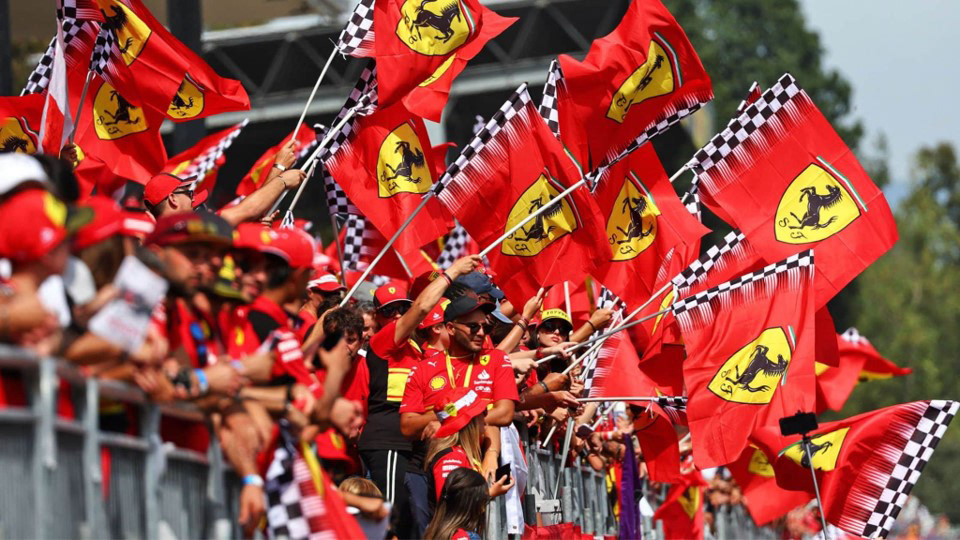
Cheering as main mechanic
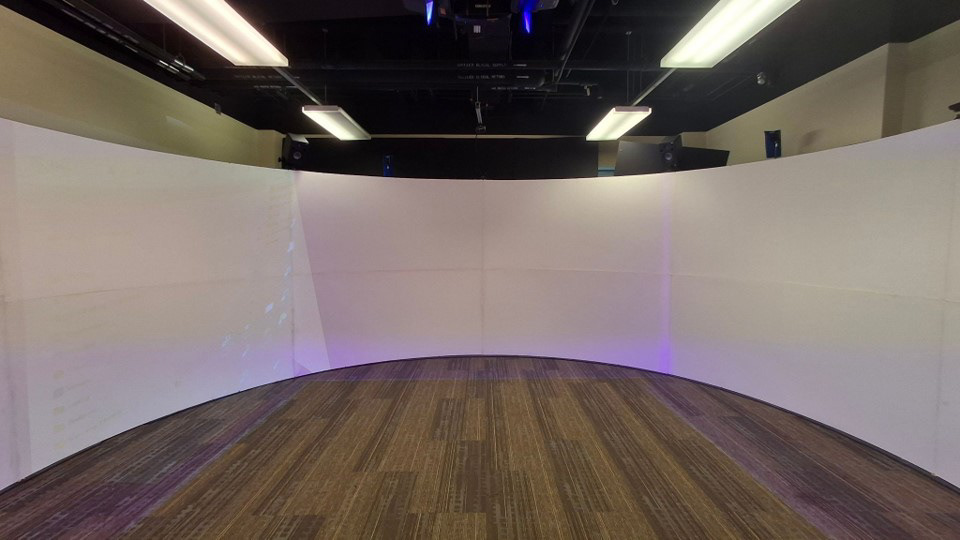
270º curved projection screen
Developed in Unity
Cheering as main mechanic
270º curved projection screen
Developed in Unity
I worked in this project as a game designer and producer.
Project was ported to PC to be showcased at GDC 2026
- Overview of my tasks -
- Pitch and design the cheering system that allows for a large amount of players to influence the race without driving.
- Tune self driving cars with physics simulation and a waypoint system to match the real life F1 car movements.
- Design a one button interaction for accessibility that also increases excitement.
- Balance the amount of cheering energy needed to inspire the driver and the duration of the inspiration boost.
- Design an F1 track that makes the best use of the 270° screen, stereoscopic vision and surround sound of the Cavern.
- Host weekly playtest sessions.
- Collaborate with South Fayette School District to integrate educational goals.
- Adapt most of the gameplay elements to PC playable with controller. Keeping the same spectatorship feel.
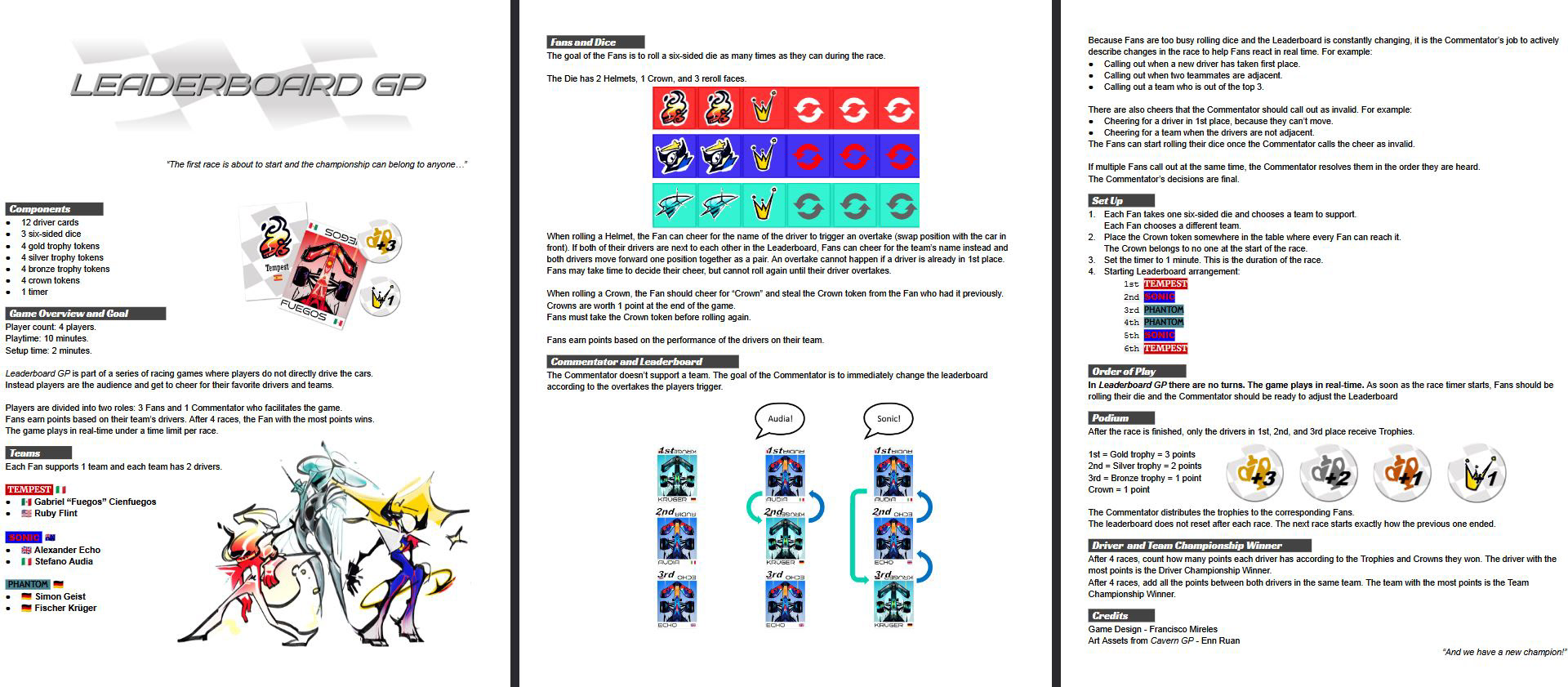
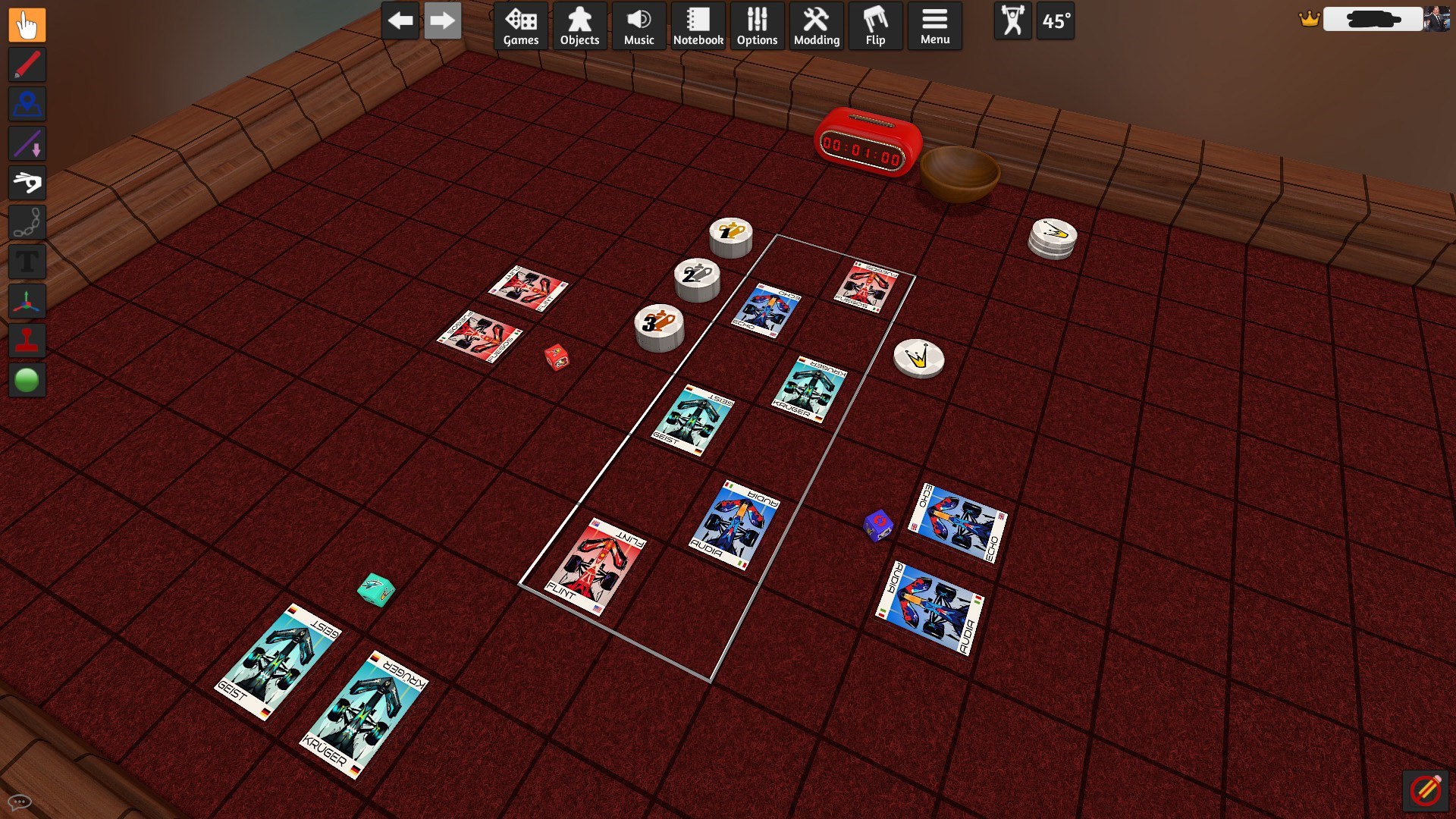
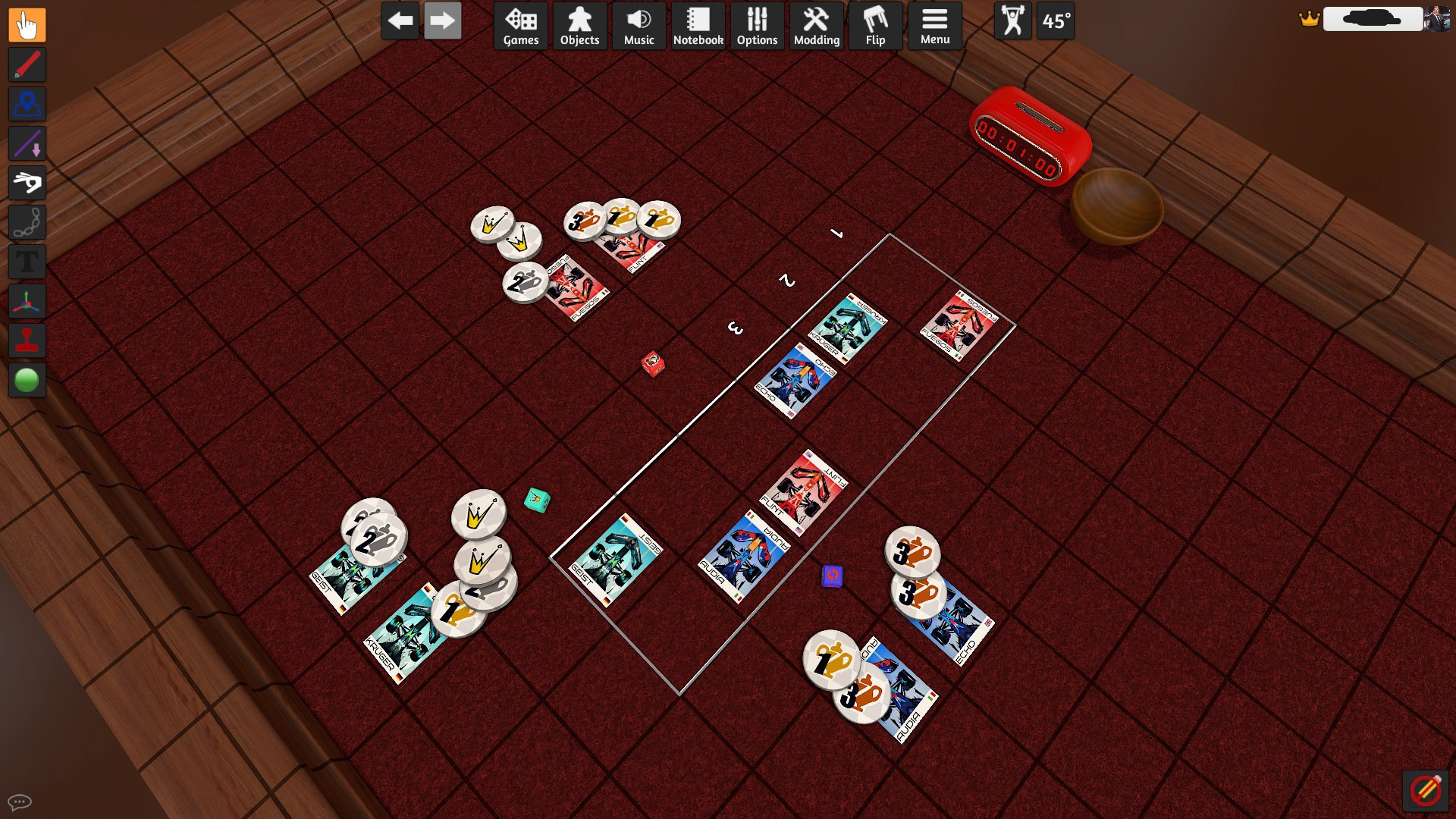
- Adapt the game into a boardgame version while keeping the same spectatorship feel.
- Balancing Player Agency and Spectatorship -
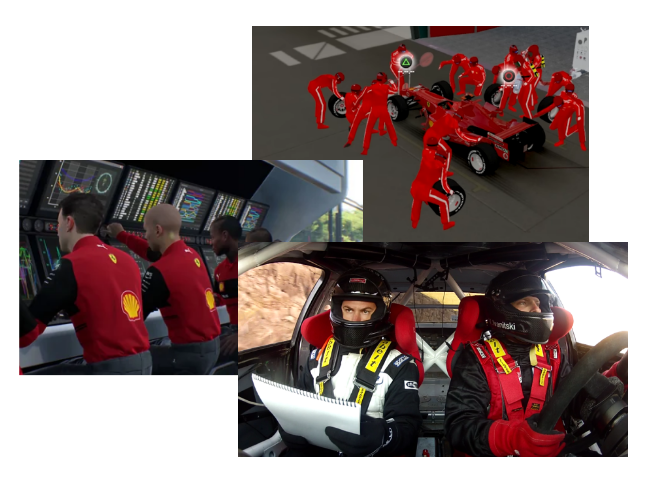
Inspired by racing games that have players take multiple roles like drivers, mechanics, and managers, we wanted to create an experience were multiple players would work together to win a race.
We asked ourselves how can we integrate as many roles as possible and guarantee equal amount of fun for every player.
Our solution was to take a new approach and have every player be part of the audience.
But if the players are the audience, and the audience doesn't play, then what will the players do?
They cheer while the cars drive by themselves.
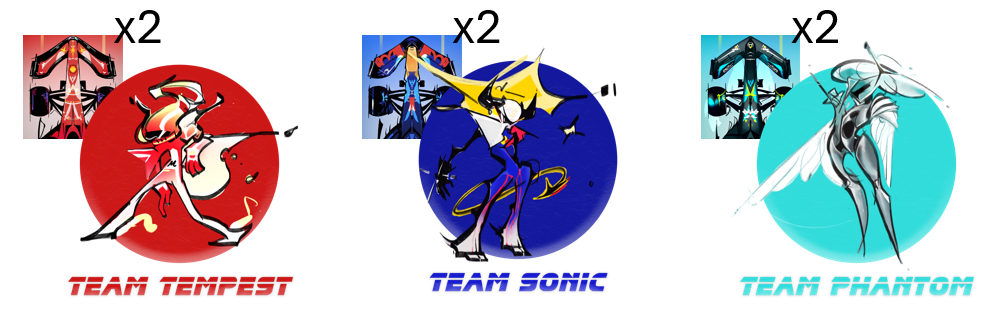
Players choose between 3 teams. Each team has 2 cars, 1 cheerleader, and an unlimited amount of fans.
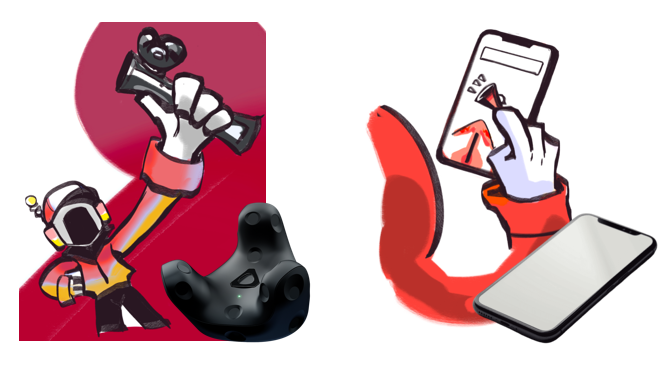
Cheerleaders would use flags with VIVE Trackers. They select where to cheer by moving around the track in the Cavern inside space.
Fans would use their phones to cheer when their cars and their cheerleader are in the same spot.
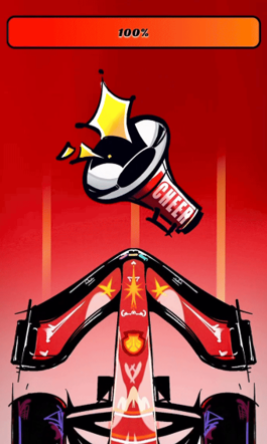
Because we wanted the Fans to be looking at the race instead of their phones, we designed a single-button mechanic for cheering.
The player would tap to send their cheering energy. This is a resource that depletes the more they tap and it recharges when not tapping.
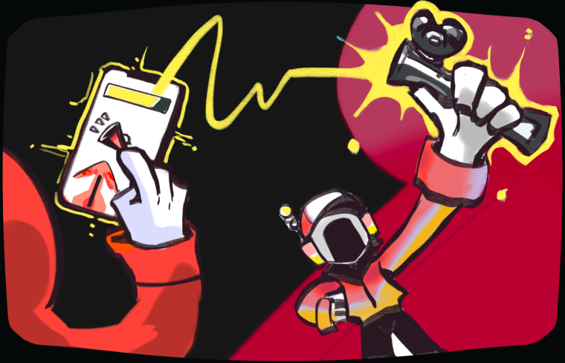
Their cooperation to cheer inspires the drivers they cheered on and improves their racing line, speed, and aggression using a waypoint system and physics simulation.
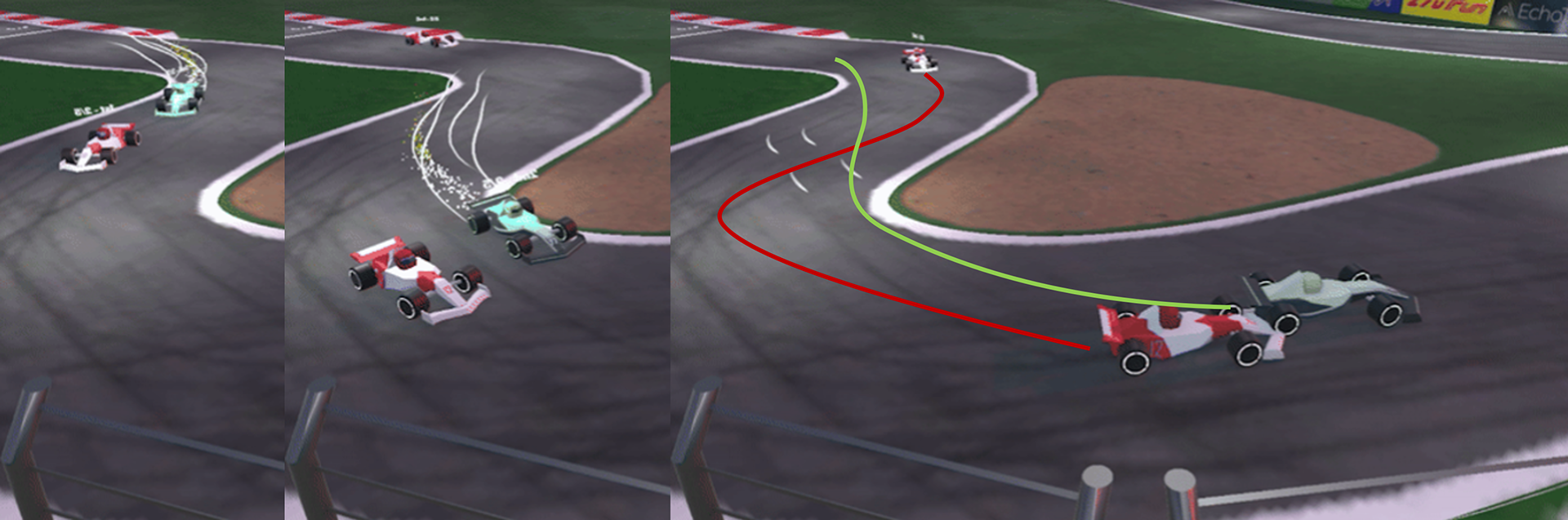
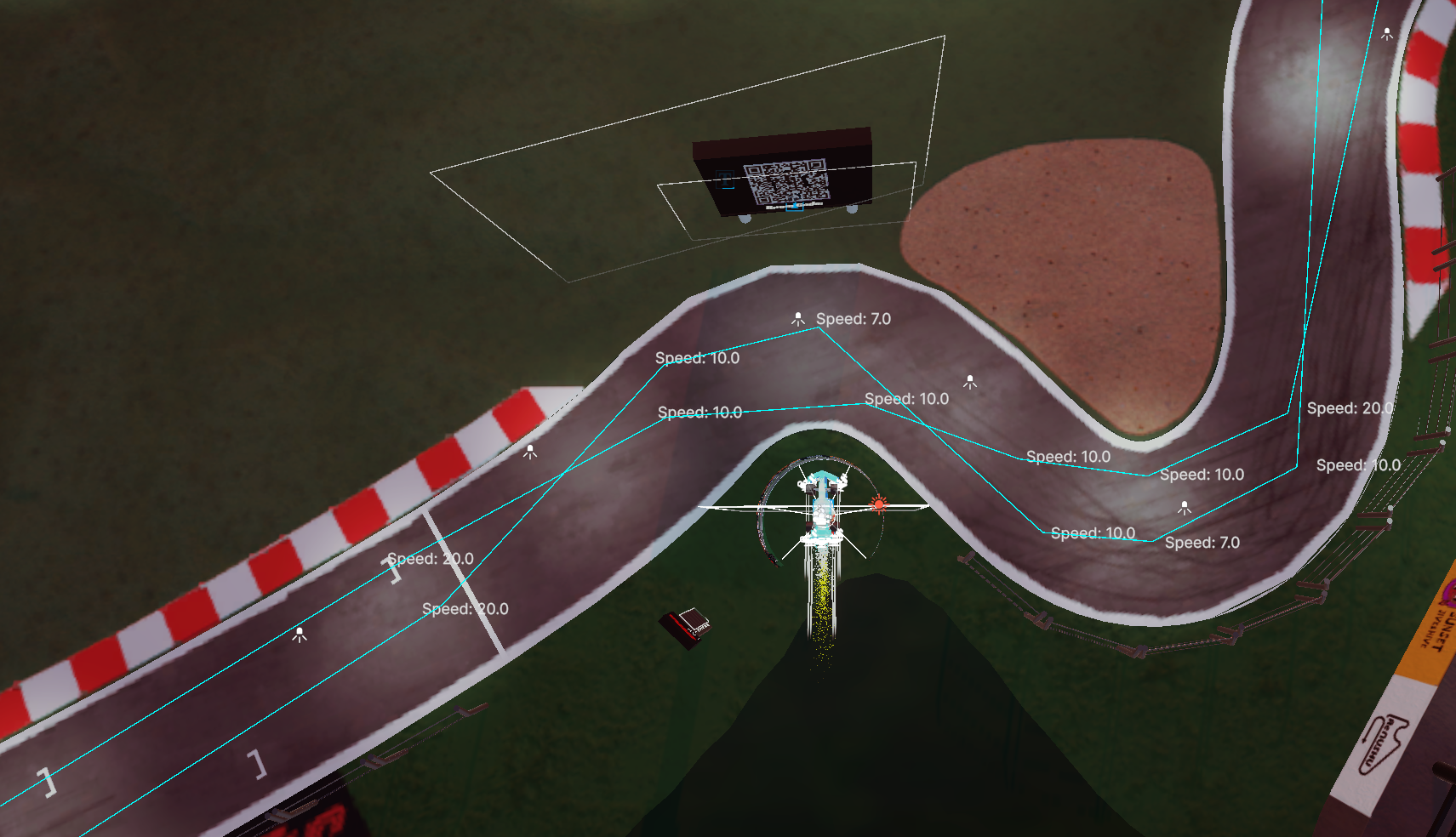
Thanks to the waypoint system, physics simulation, and the variation in speeds because of the inspired state of the drivers, players were able to cause overtakes, fast cornering, bumps, car crashes, and wall crashes while still feeling like it happened on its own because it was hard to predict.
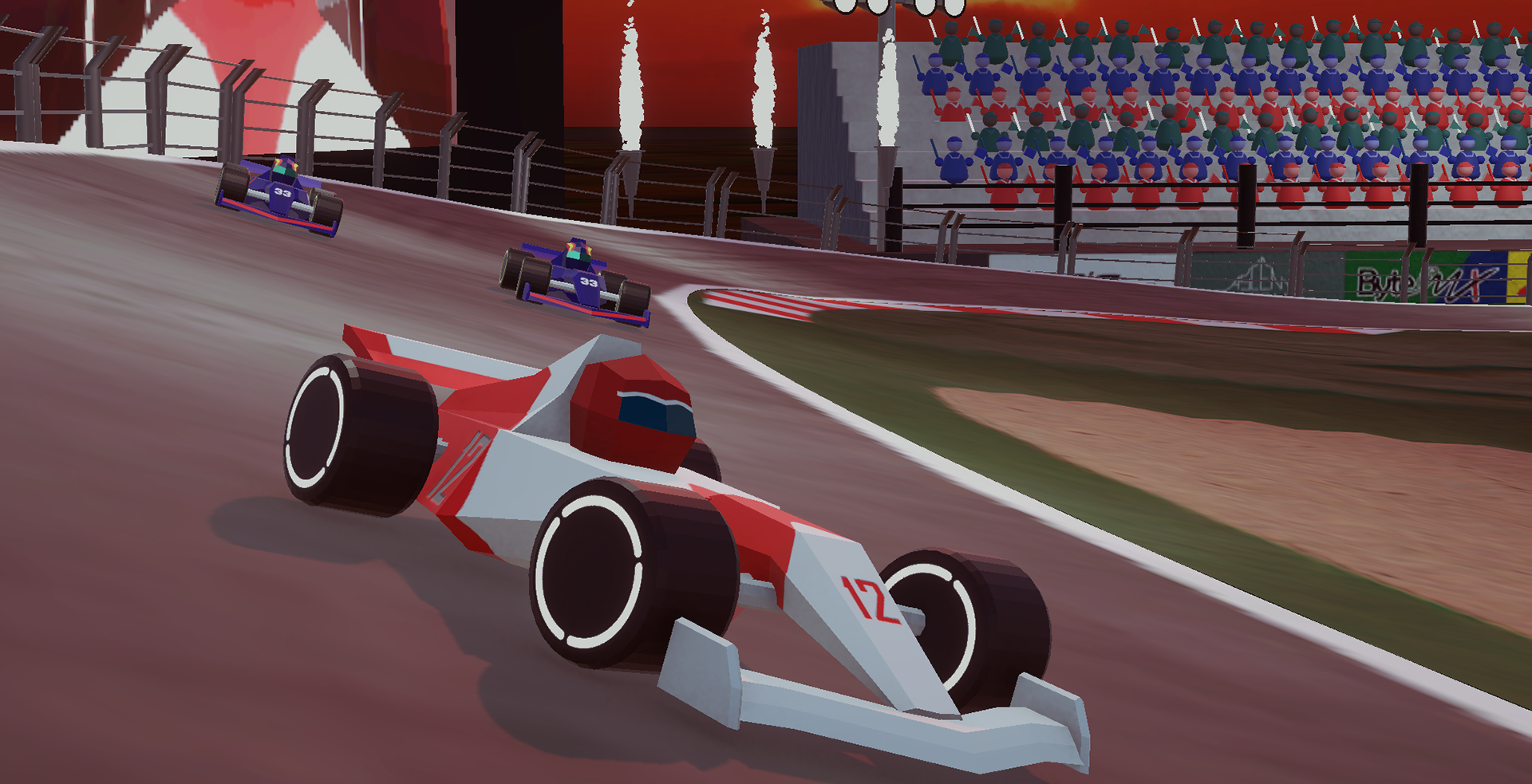
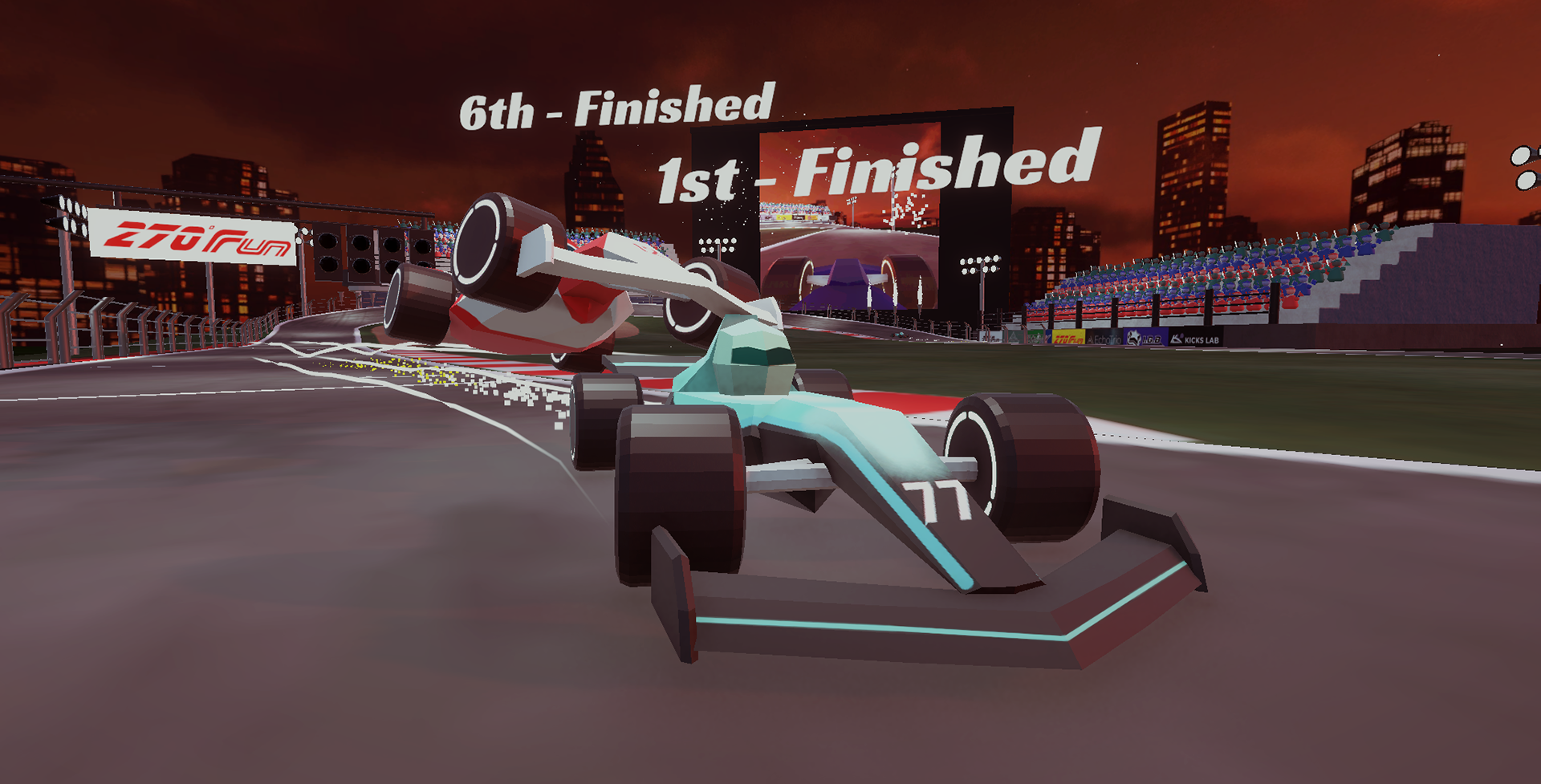
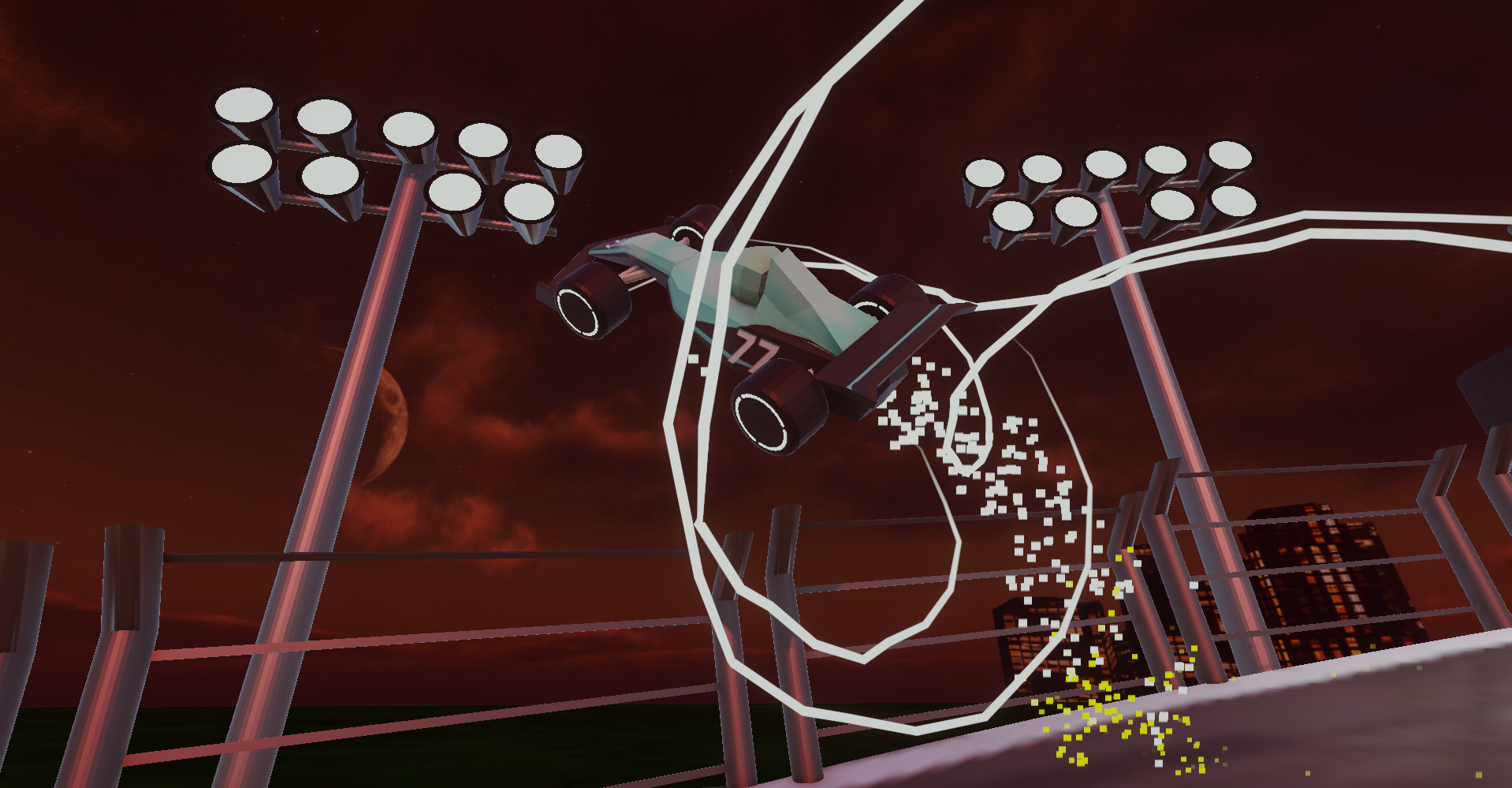
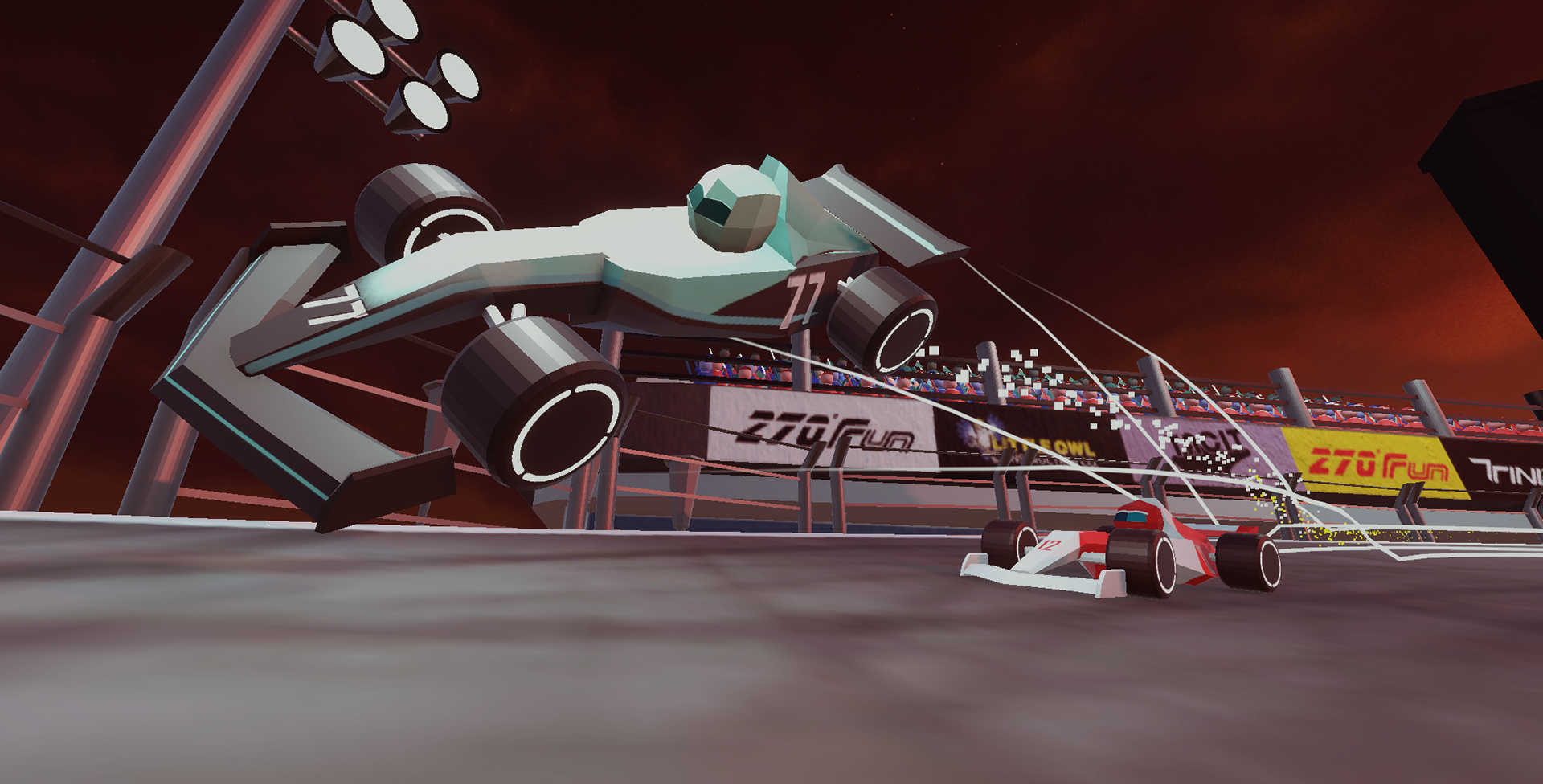
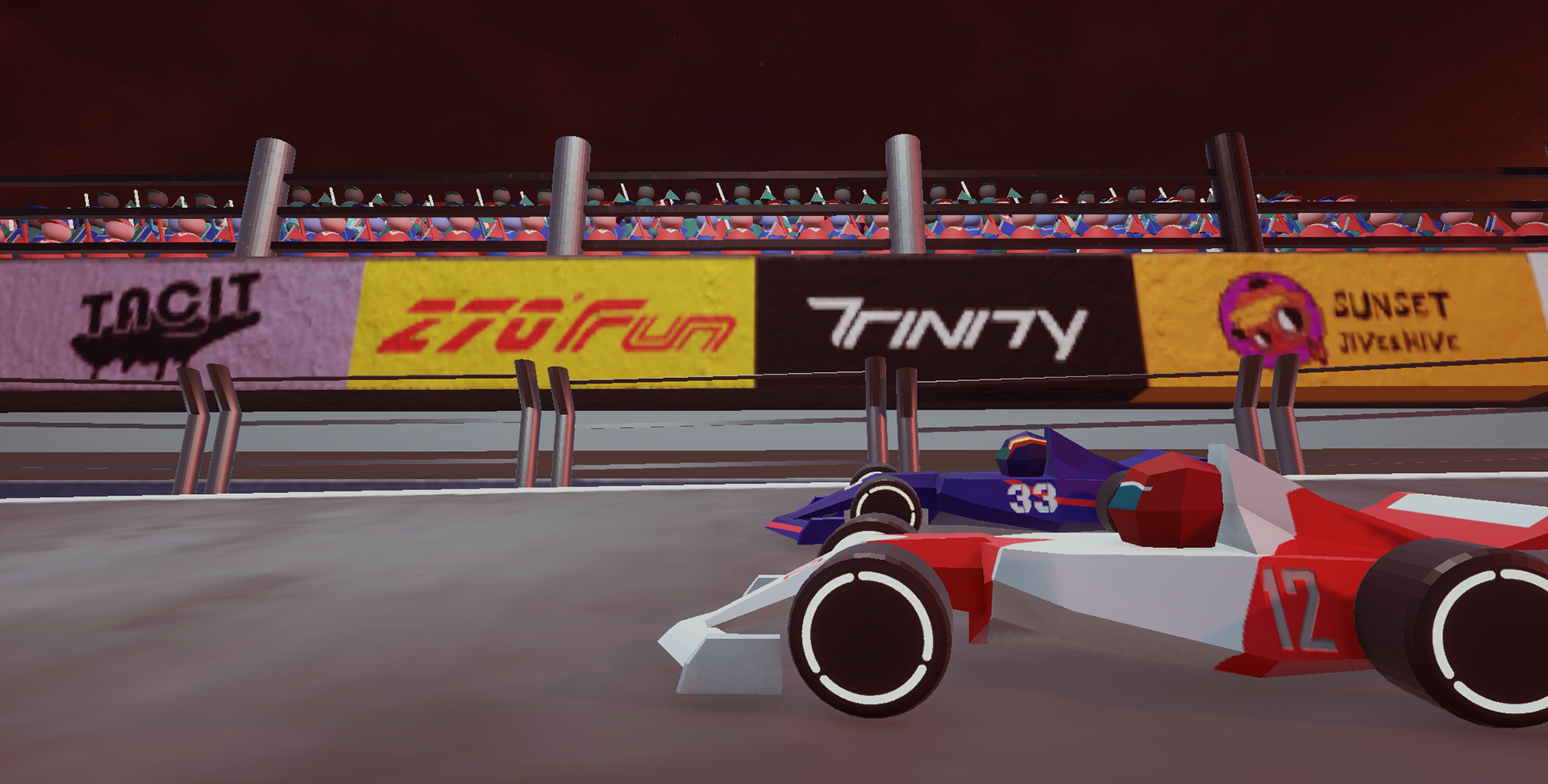
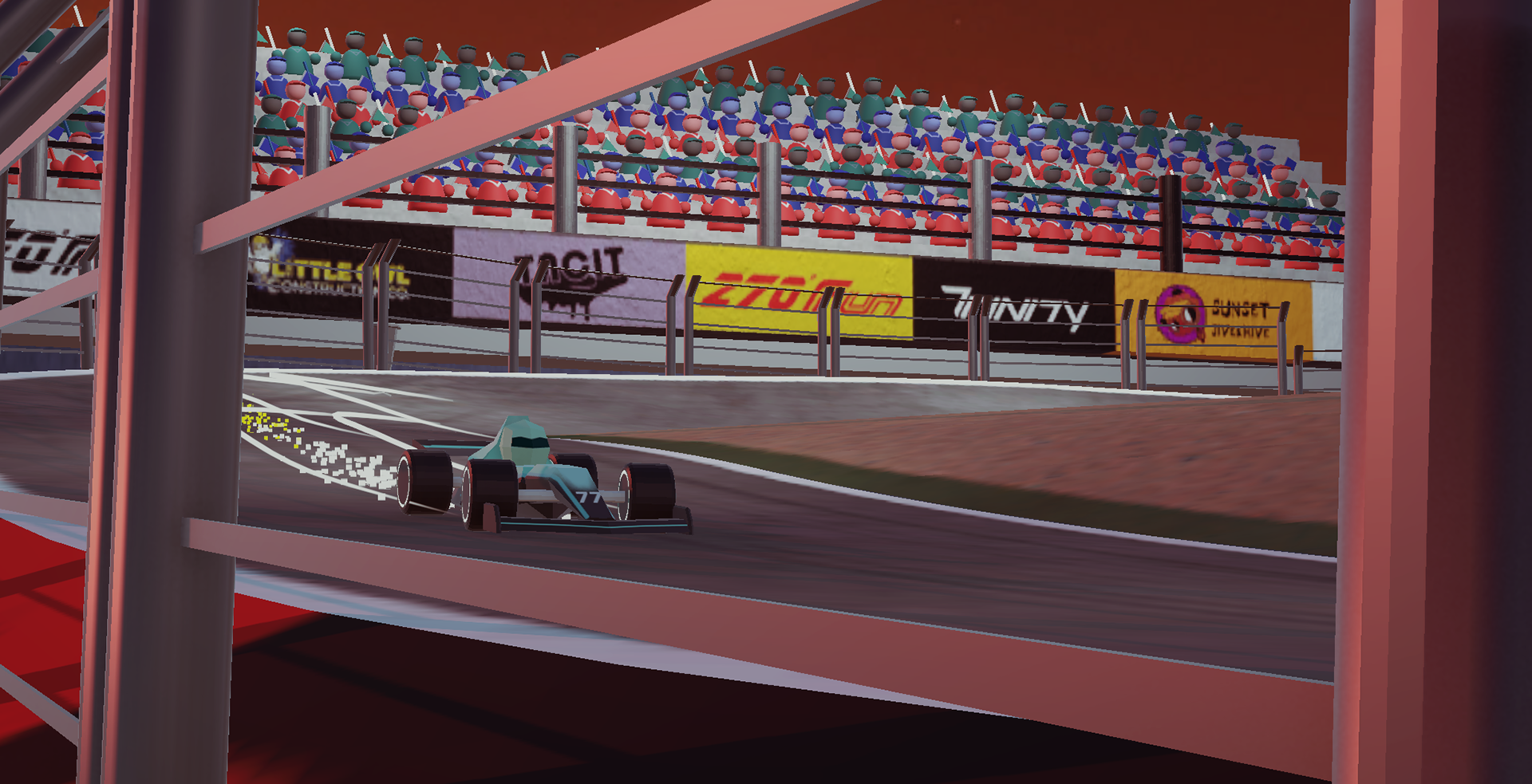
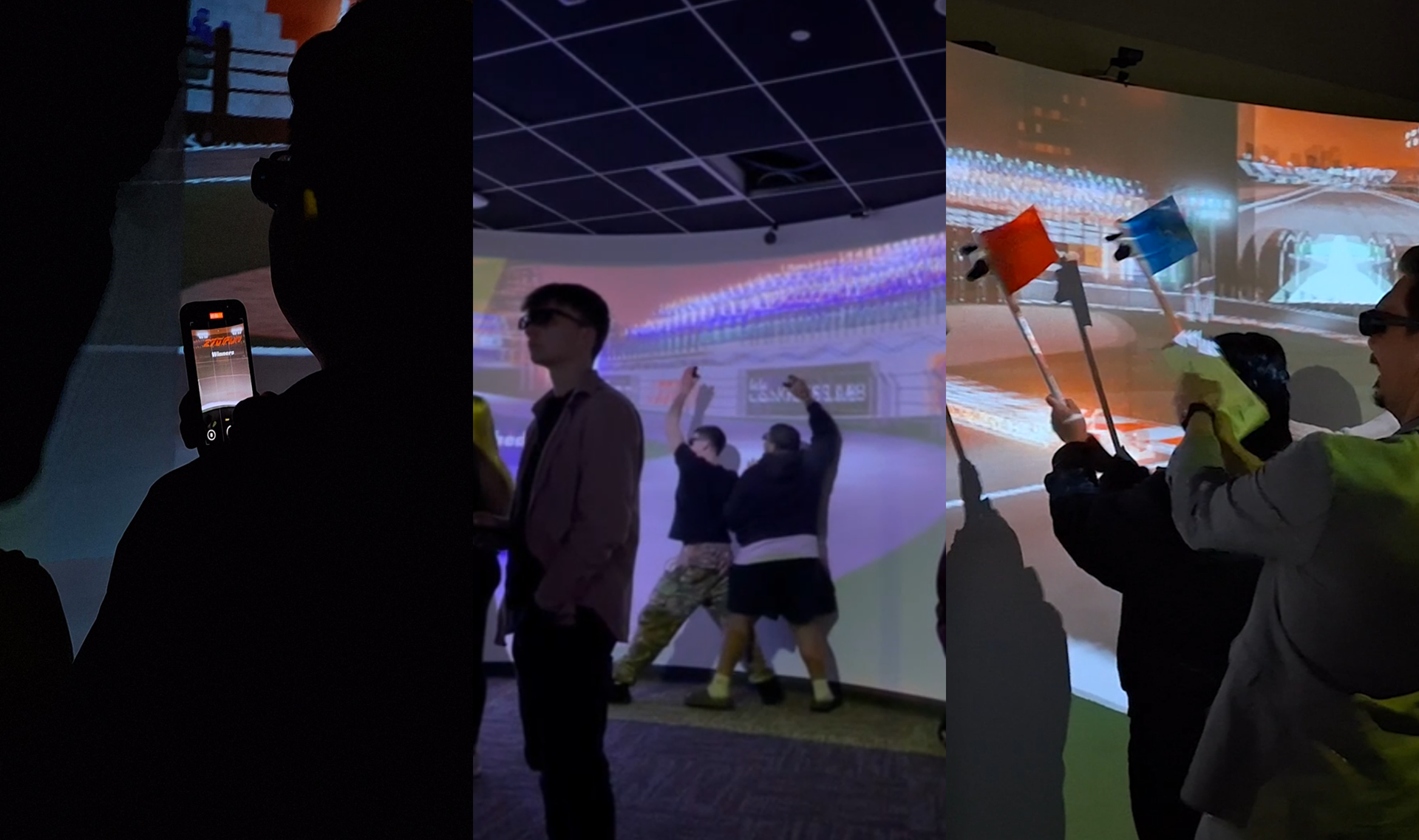
And thanks to the shared physical space and the large amount of players, we were able to replicate the experience of attending a sport event.
Players were seen taking photos of their surroundings, taking selfies with the scoreboard, blocking each other view during the race, bumping into each other when moving around, booing loudly to annoy other teams, and celebrating with hugs.
- Designing the Track -
Because of the Cavern 270º curved projection screen, surround sound, and stereoscopic glasses, we had the opportunity to design a track and place the players in the best seats possible.
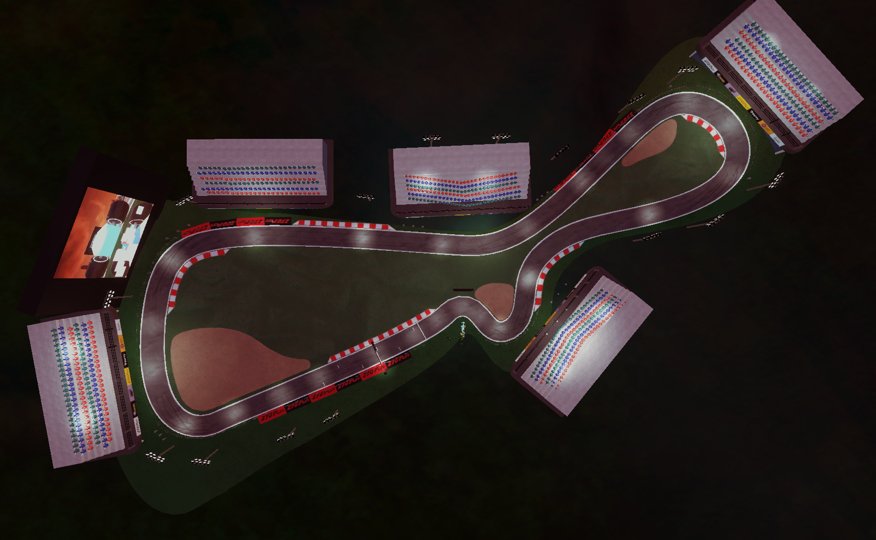
This is the final layout of the track.
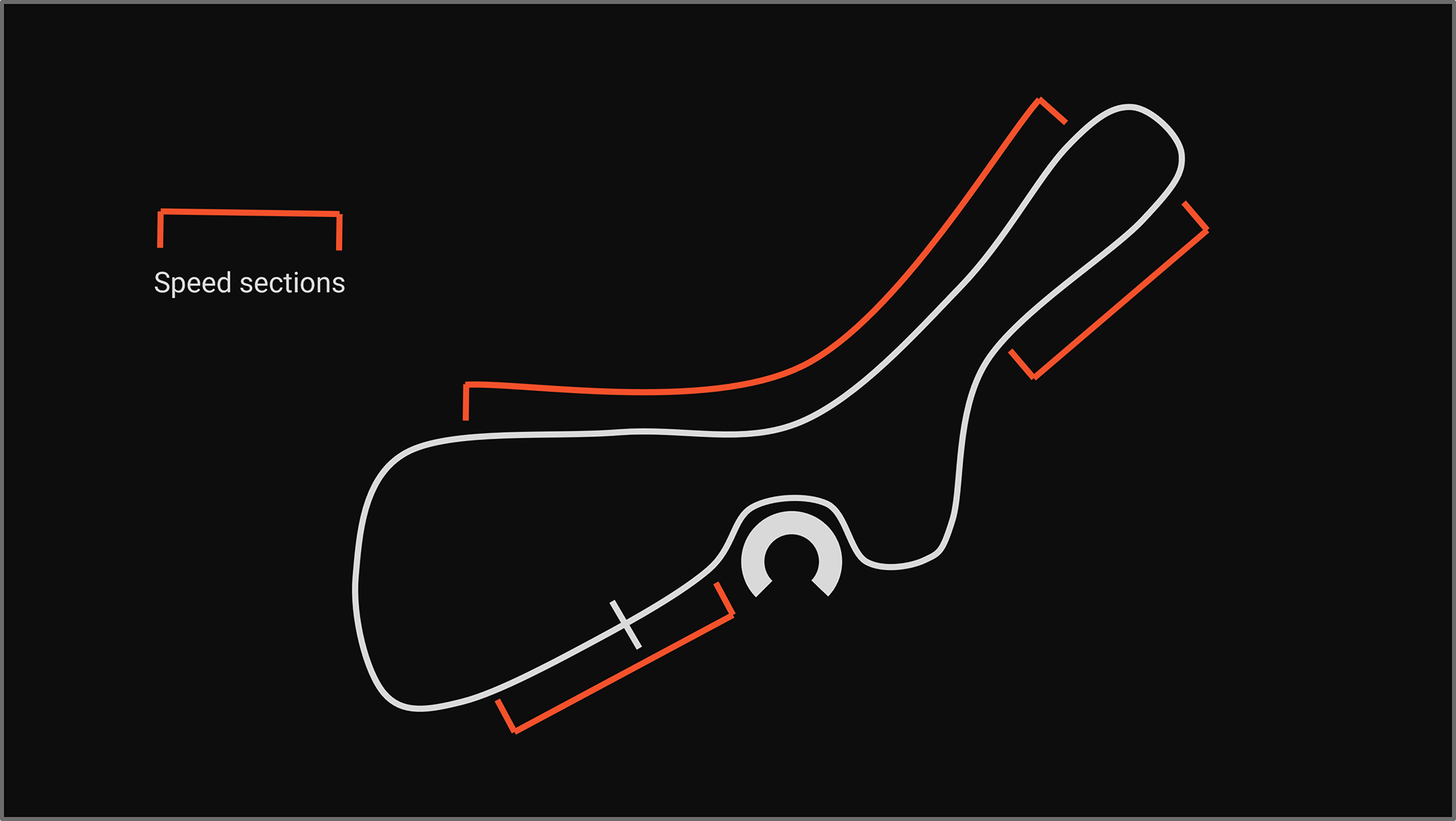
To best use the stereoscopic vision, we placed the speed sections going towards and away from the players.
Players could also hear the engines go from one side of the Cavern to another.
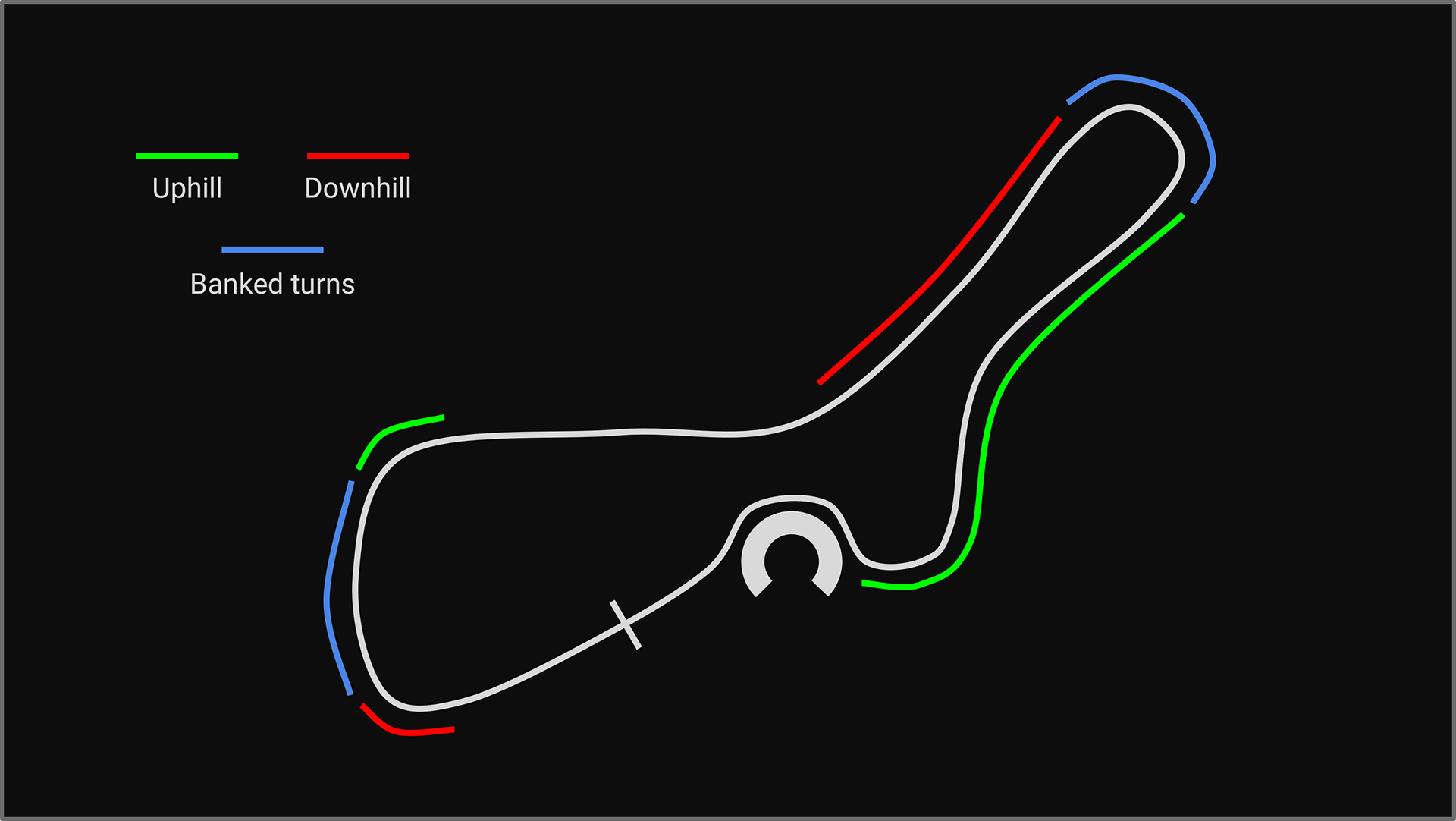
Because of the size of the track, we encountered some visibility issues during playtesting. Our solution was to implement banked turns and variations in altitude to improve readability throughout the whole track.
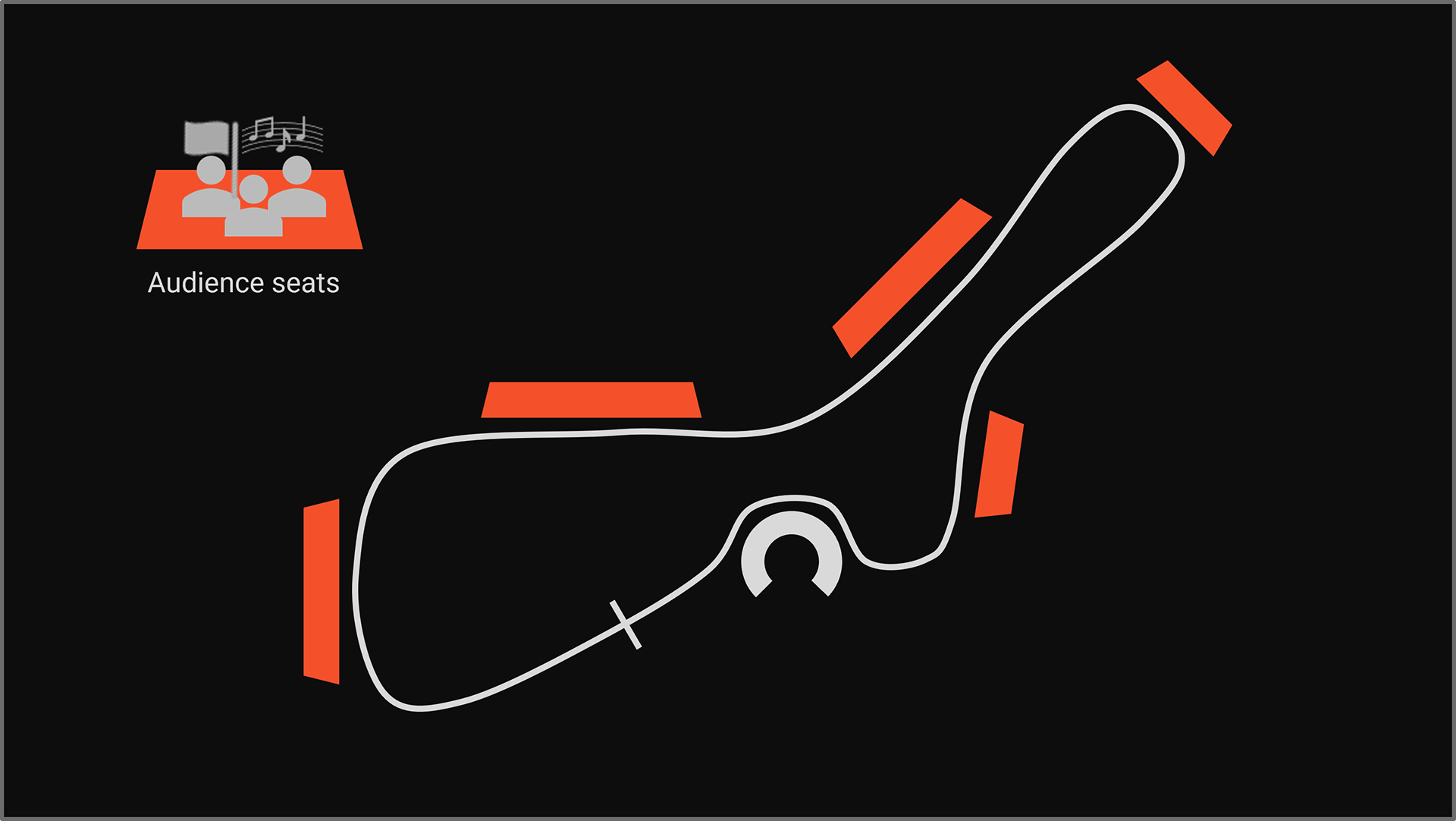
And here are the designated spots where the players interact with the drivers.
- PC Port -
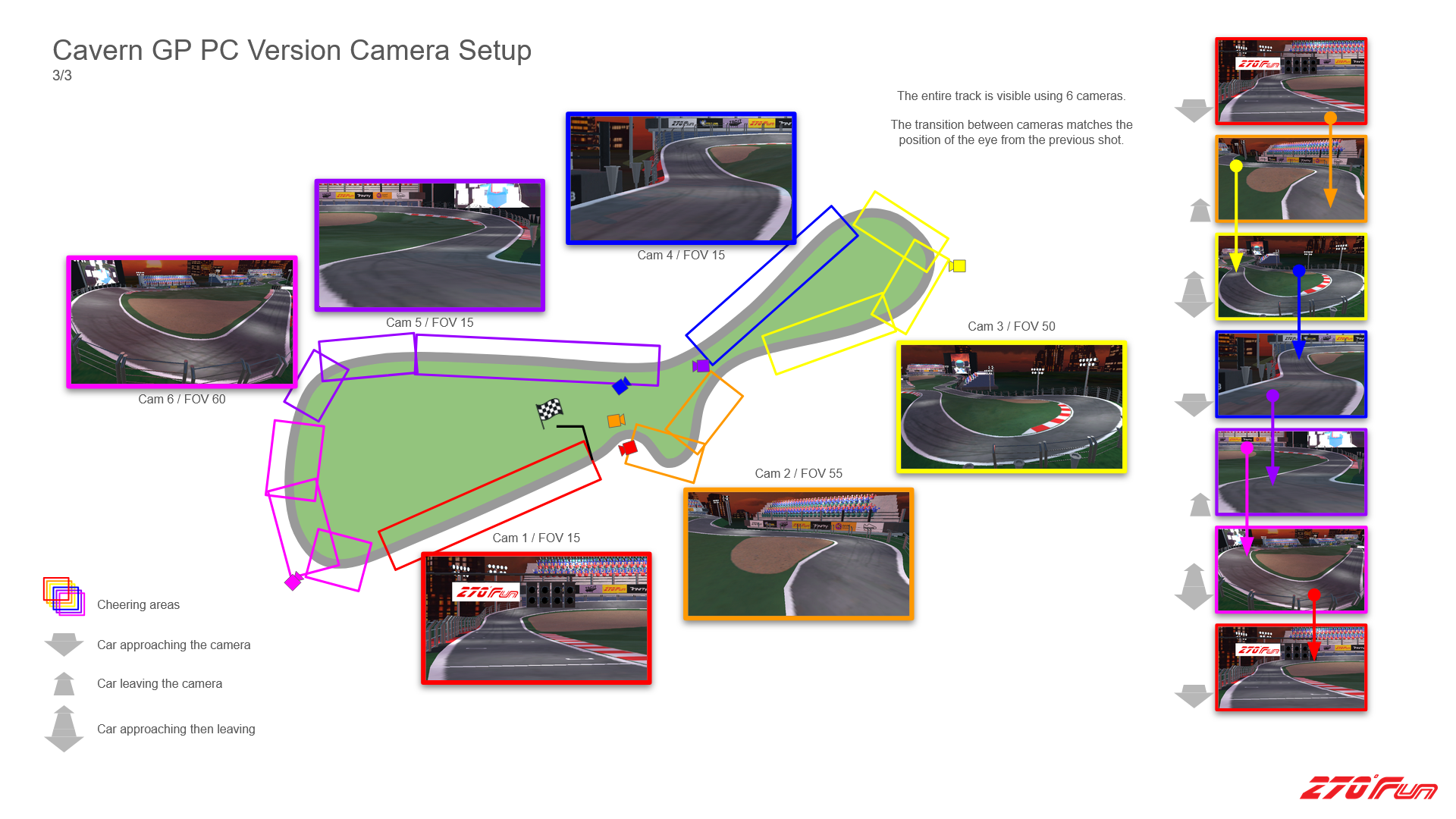
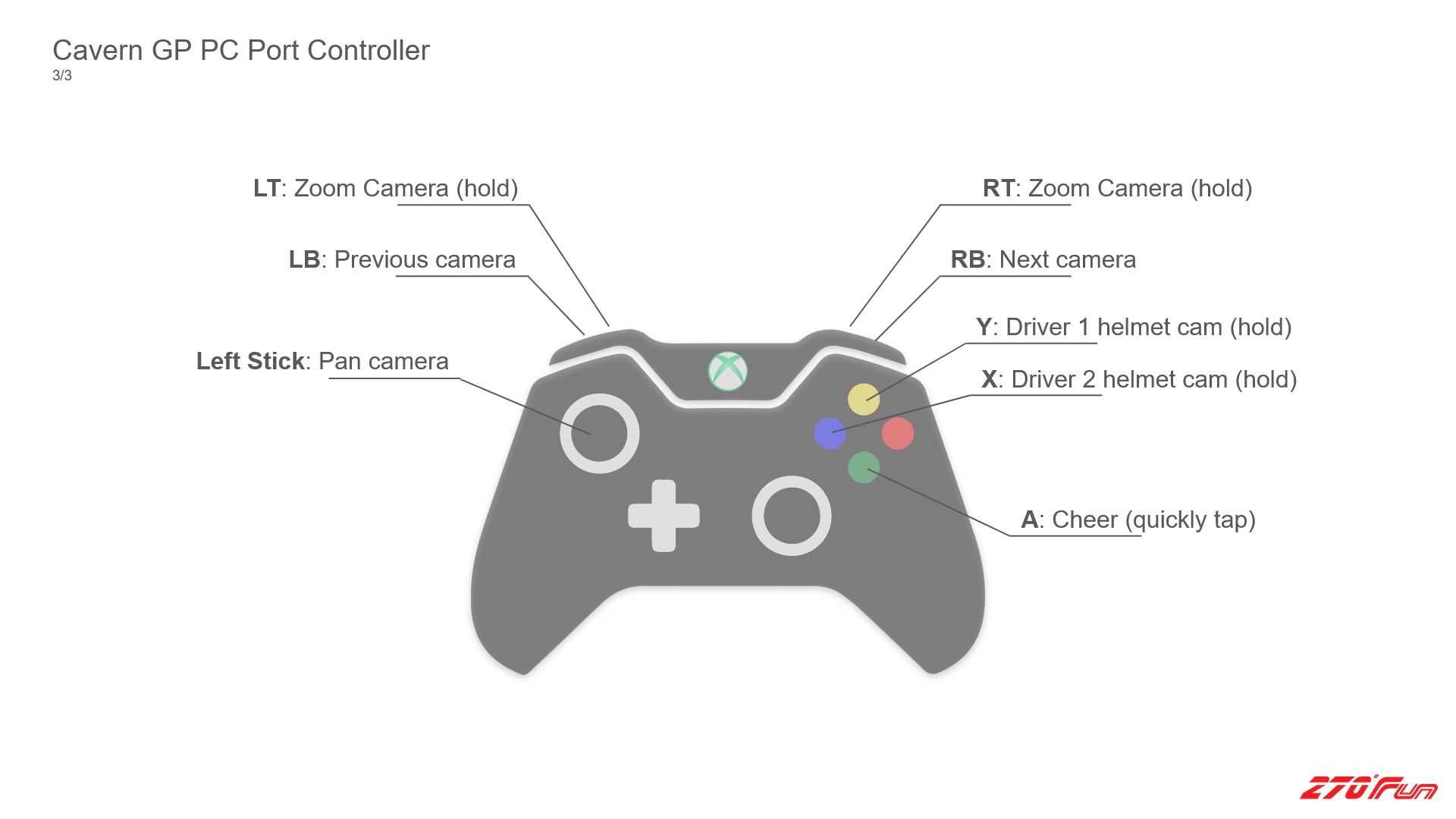
In order to showcase the game at GDC 2026, the game was ported to PC.
Key changes made to the design:
1. Reduced player count to just 3 players using Xbox controllers.
2. Players now watch the broadcasts instead of being in the track.
3. Players switch between 6 cameras to find and cheer for their cars.
- Boardgame Port -
Both Cavern GP and Broadcast GP rely on a self driving cars system to achieve the feeling of spectatorship in the player. I asked myself if this same feeling was possible to achieve without relying in technology.
Key changes to the design:
1. Game is played using cards as leaderboard entries
2. Players race against time by rolling a die as many times as they can.
3. One player acts as the Commentator and game engine.
4. Players cheer in order for the Commentator to change the leaderboard.