- Key details -
Single-guest experience.
270-degree curved projection screen.
Seamless interaction with no visible user interface.
Developed in Unity.
270-degree curved projection screen.
Seamless interaction with no visible user interface.
Developed in Unity.
I worked in this project as a UX designer, cinematographer, and editor.
- Overview of my tasks -
- Develop and pitch the concept to faculty and staff at CMU ETC.
- Design a body-tracking interaction method that seamlessly integrates with interactive films.
- Develop and document a cinematic visual language framework for the 16:3 aspect ratio, 270° curved screen of the Cavern.
- Work with the writer and VFX artist to plan out scenes.
- Rehearse with the director and actors prior to the shooting.
- Shoot live-action footage over the course of 3 days.
- Edit and color grade the final version of the film.
- Seamless Interaction -
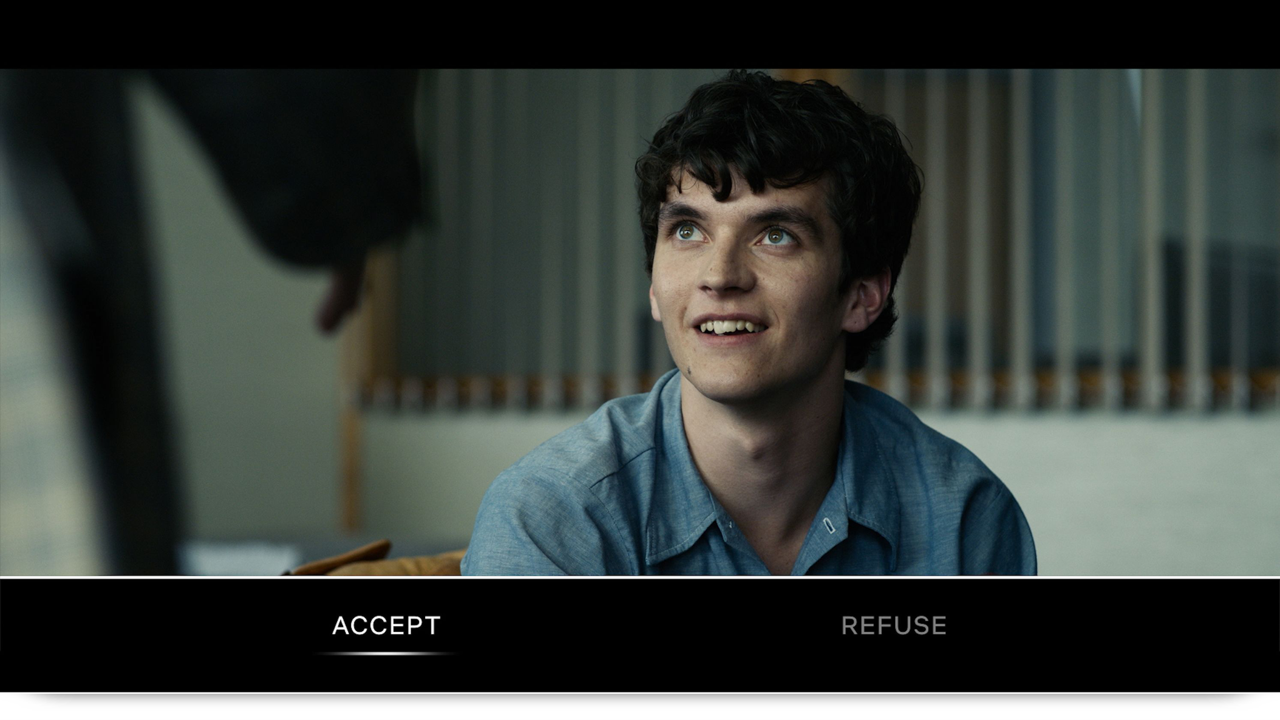
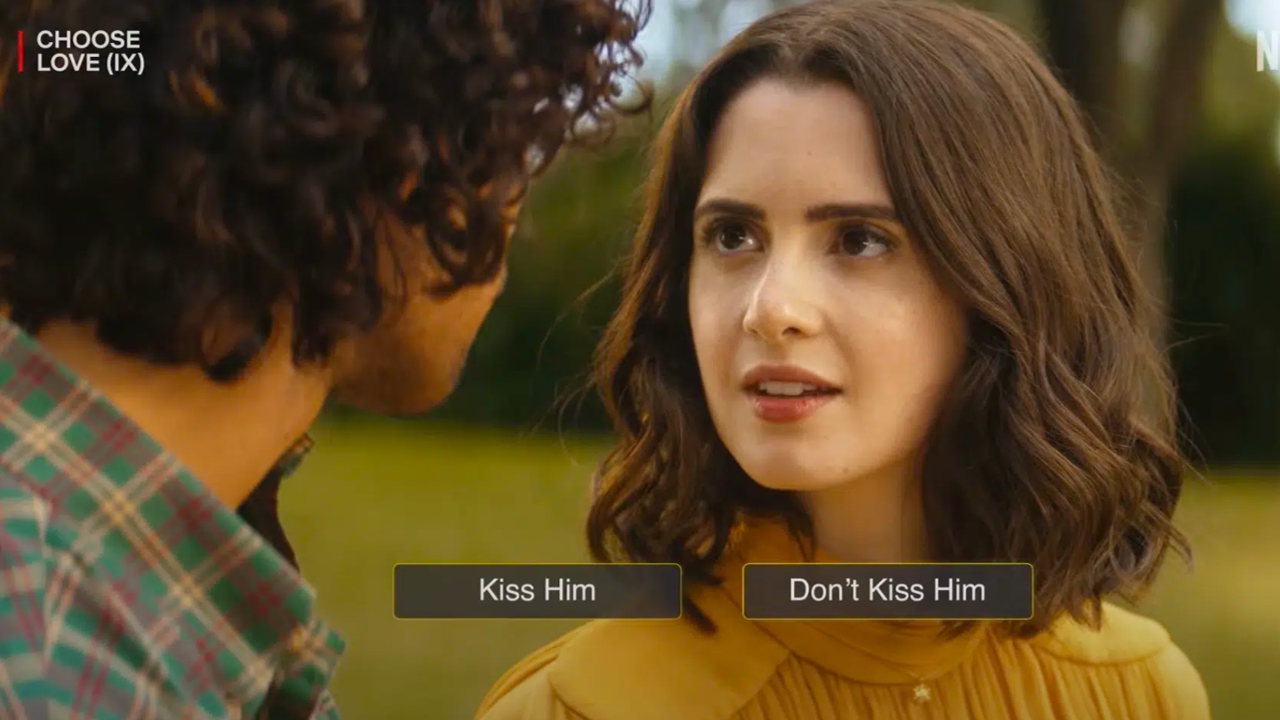
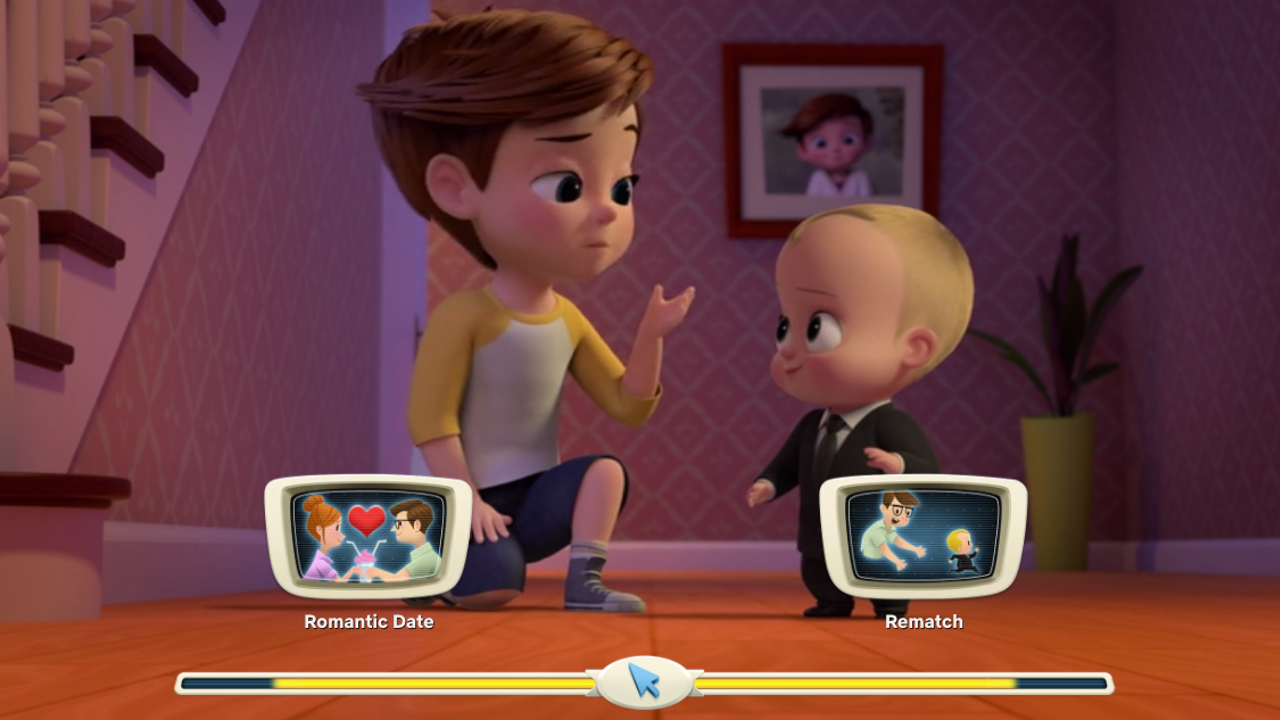
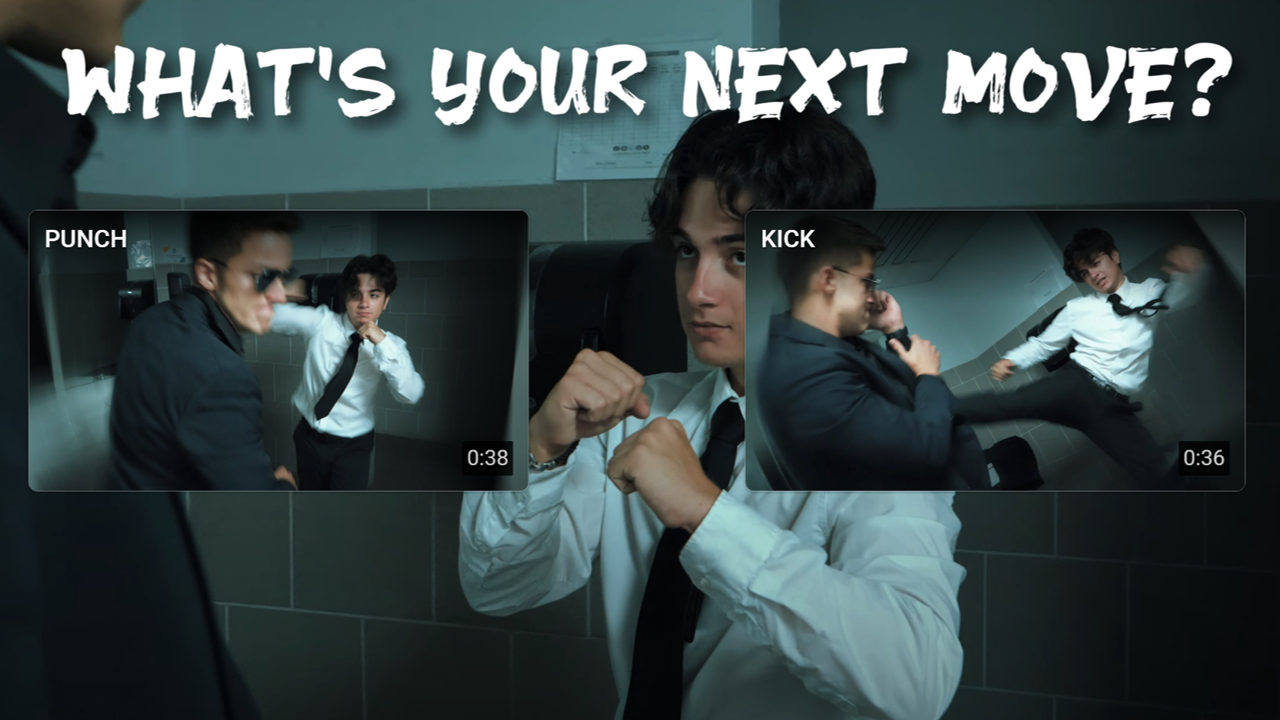
In interactive films up until today, pausing to give a choice disrupts the immersion, and choice is perceived as a gimmick.
We decided to use Orbec sensors to track where the guest is looking and use their direction as an invisible input.
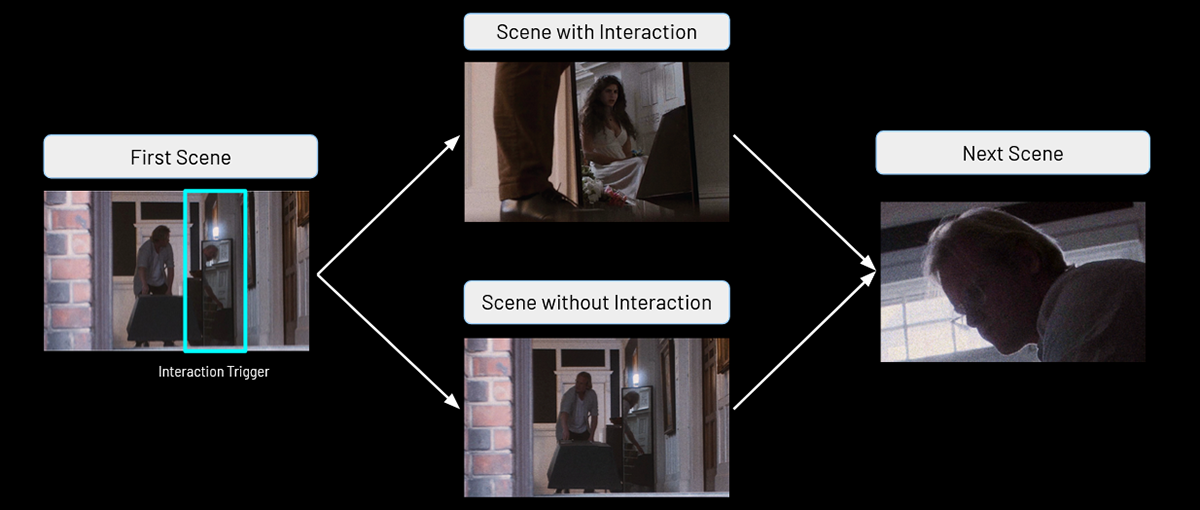
By not pausing and not giving input feedback, we were able to add agency while maintain the intimacy of the story.
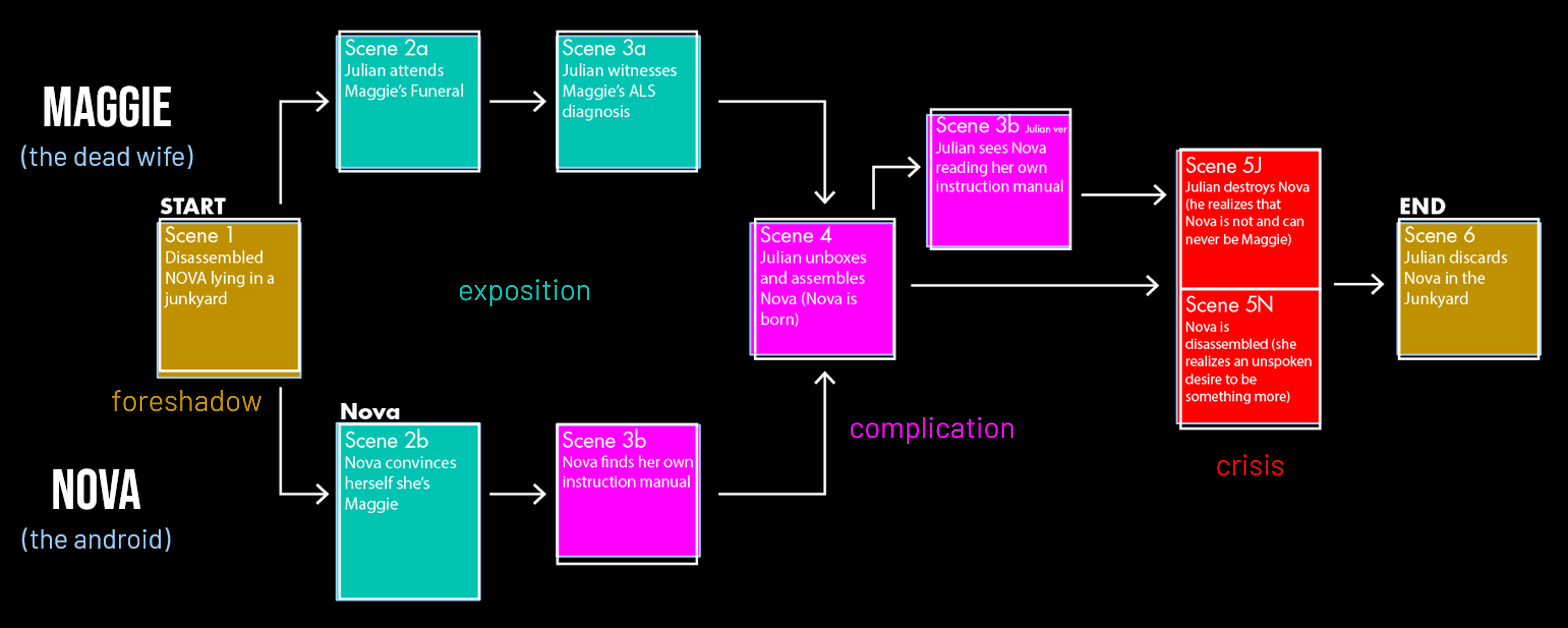
Aside from branching paths, the interactivity also included extra dialogue lines, extra shots per scene, extra VFX, and directional audio manipulation.
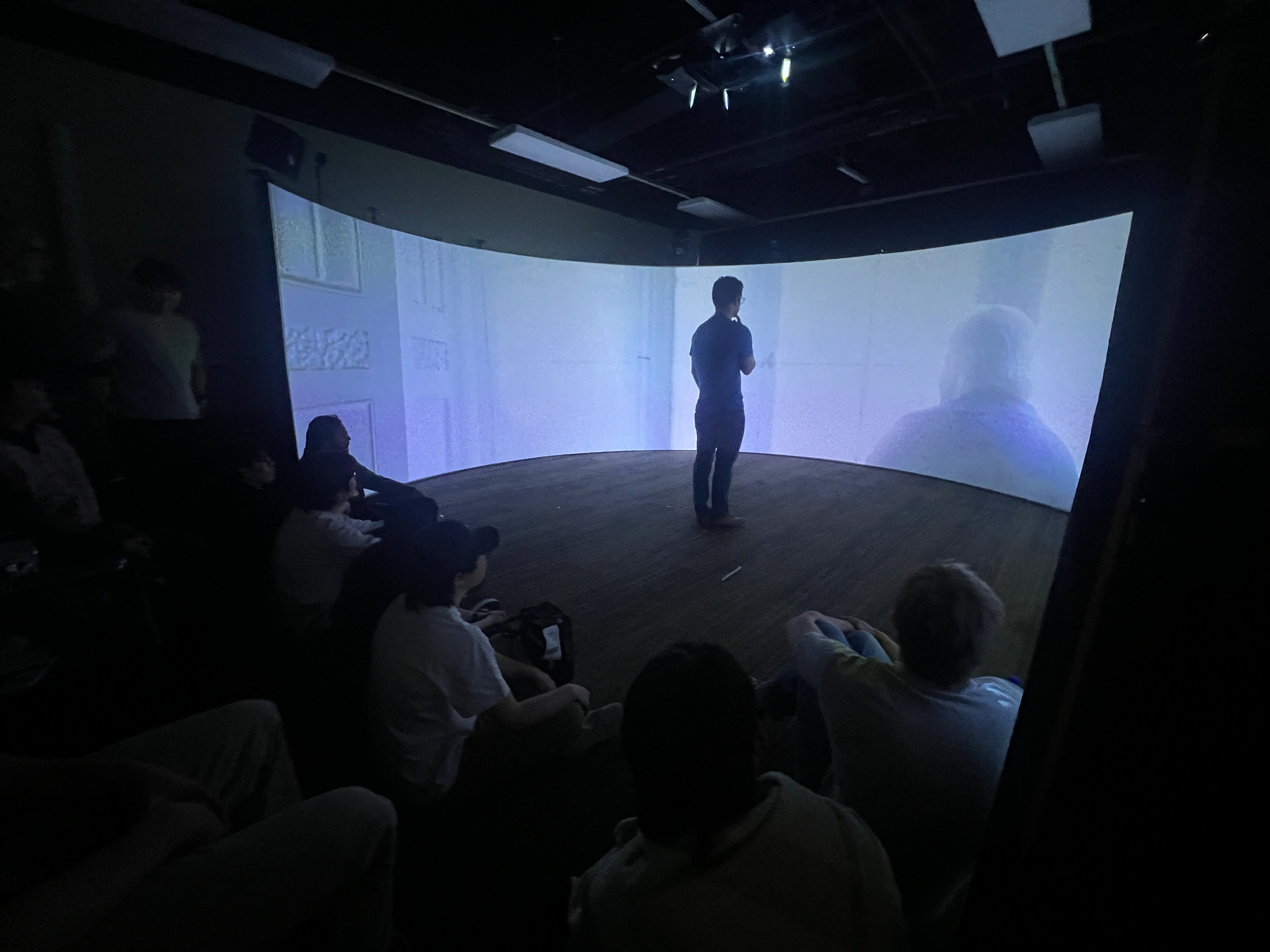
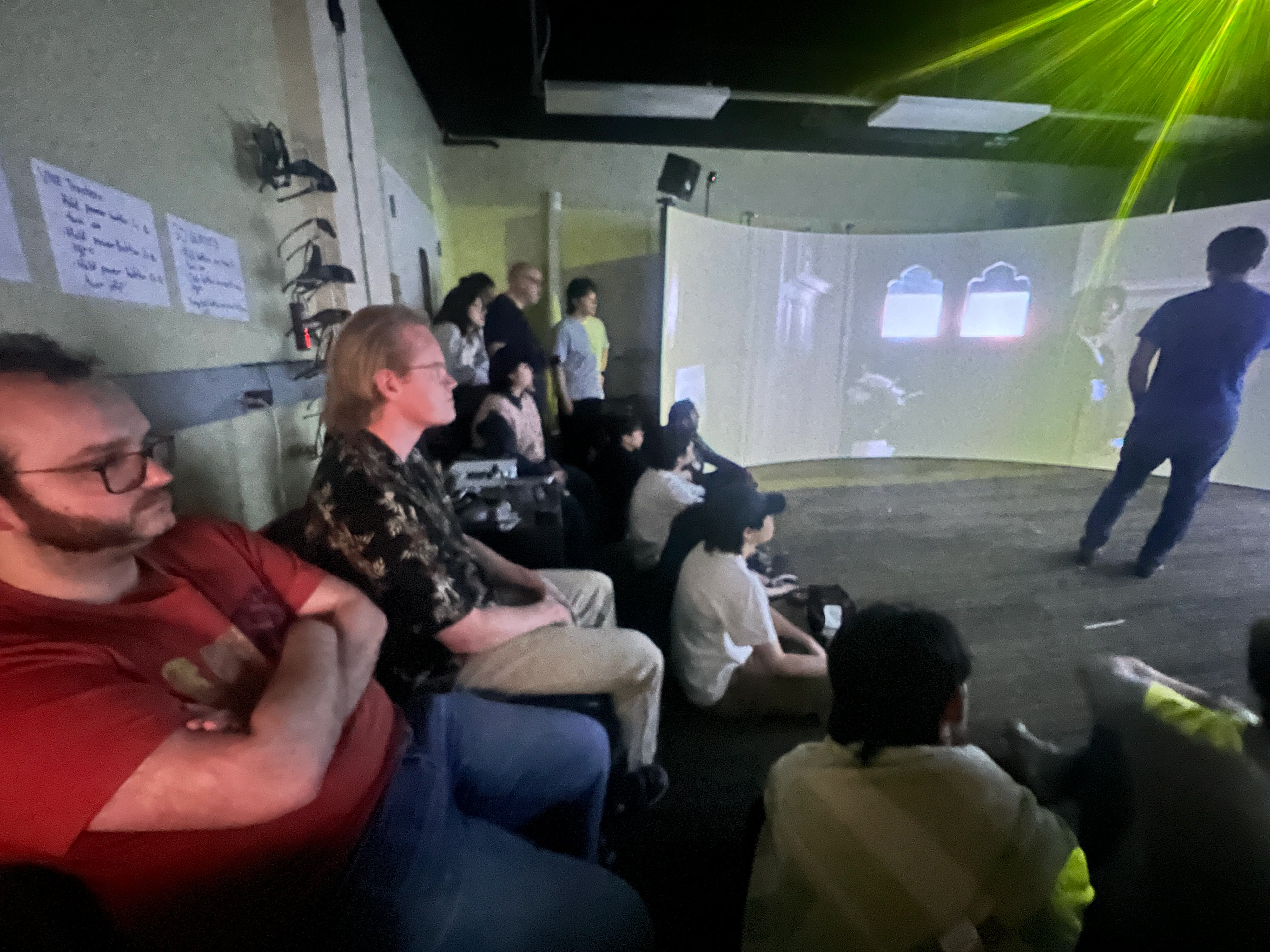
Even when only one guest can control and have the full experience, it is possible to have an audience that can still enjoy the short film. It was also interesting how after multiple screenings, audiences interest in the story grew as they found out from others about scenes they didn't get to experience because of the interactivity.

- Visual Language -
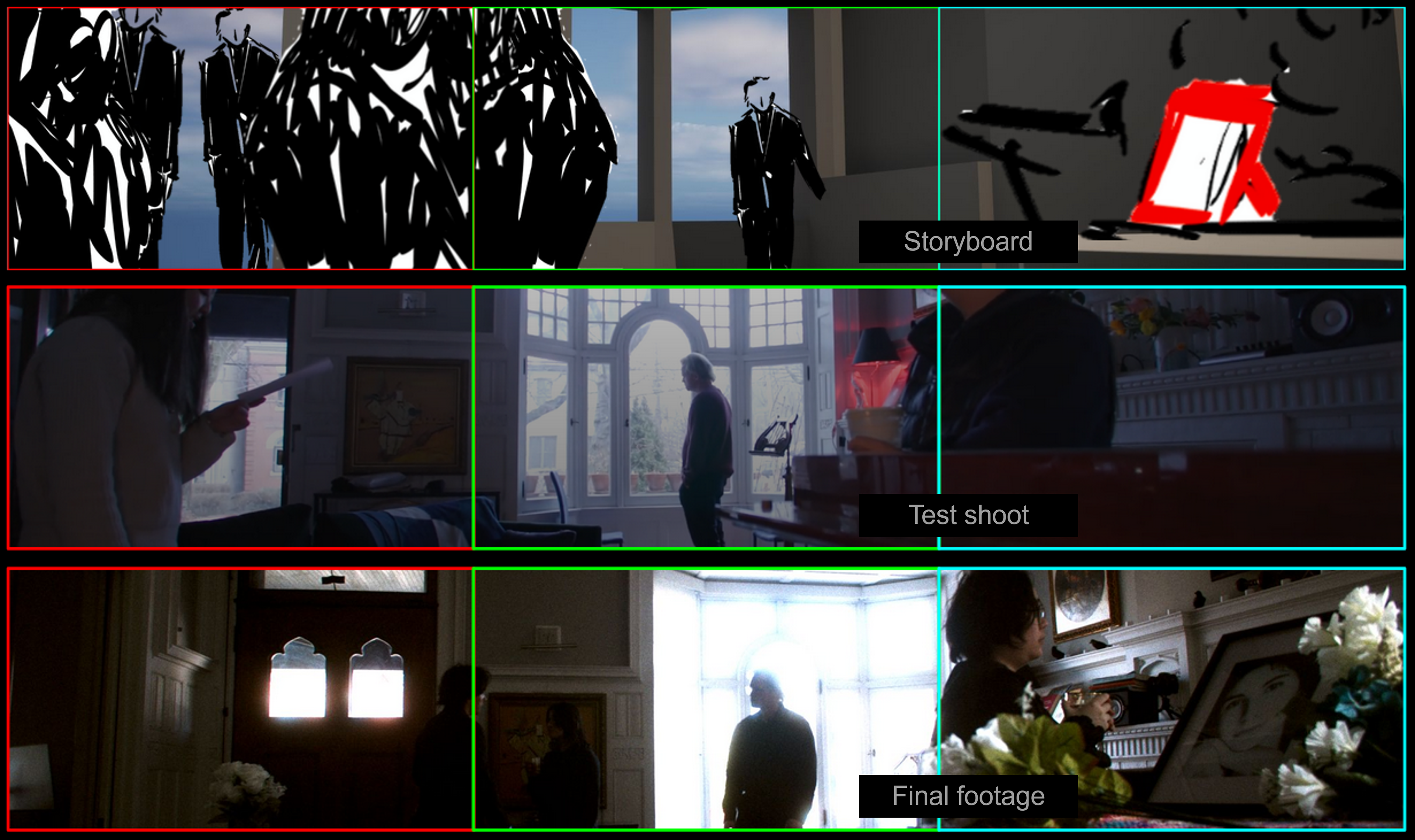
Here is an example of how we developed a unique visual language for the Cavern.
The guest who would be standing in the middle of the Cavern, could only see 90-degrees of screen (one 16:9 panel) out of the 270-degree screen (16:3 aspect ratio total).
To make use of the 270-degree screen we wanted to have a different composition or shot for each panel in the same image. Giving the guest three options of where to look (with or without interactivity).
During tests, we realized that guests could choose where to place their panel and we could indirectly control them by having points of interests.

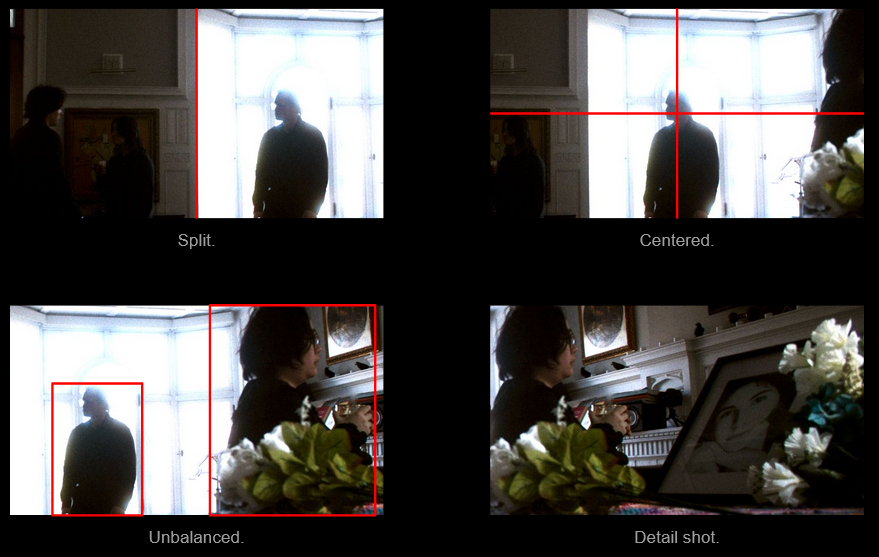
Each one of these 16:9 images represent what the guest can see. By just watching the film, they unconsciously choose one of the compositions available.

Focus points could also be tied to the story. In this scene the characters are arguing and there is no way for the guest to see both characters at the same time. They have to choose a side.
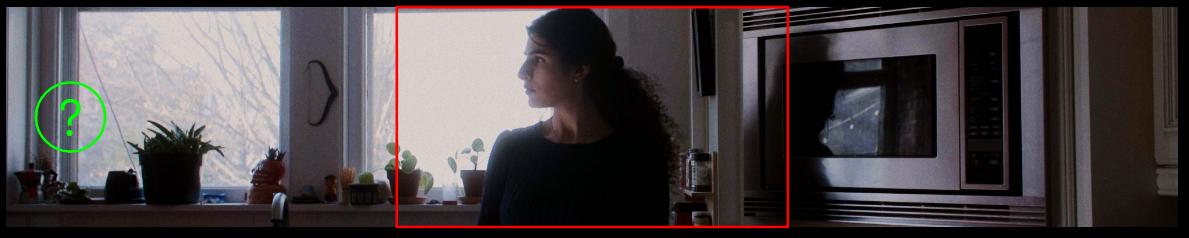
Leading gazes are particularly effective in combination with focus points. In this scene, most guests would turn their heads to look and find nothing, making them think that they missed something, creating a sense of mystery and fear.
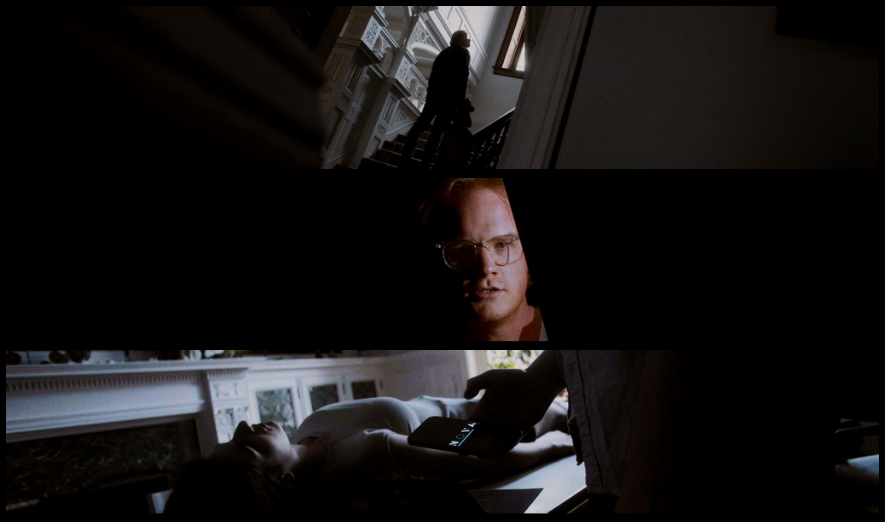
There are more techniques to Cavern visual language than just focus points.
We also used foreground elements to redirect attention.
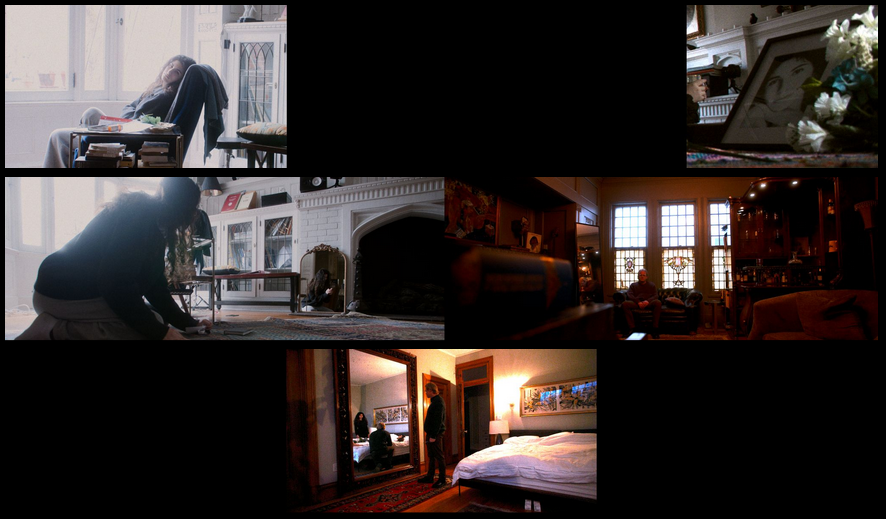
Different aspect ratios and arrangements that rely more on traditional techniques.
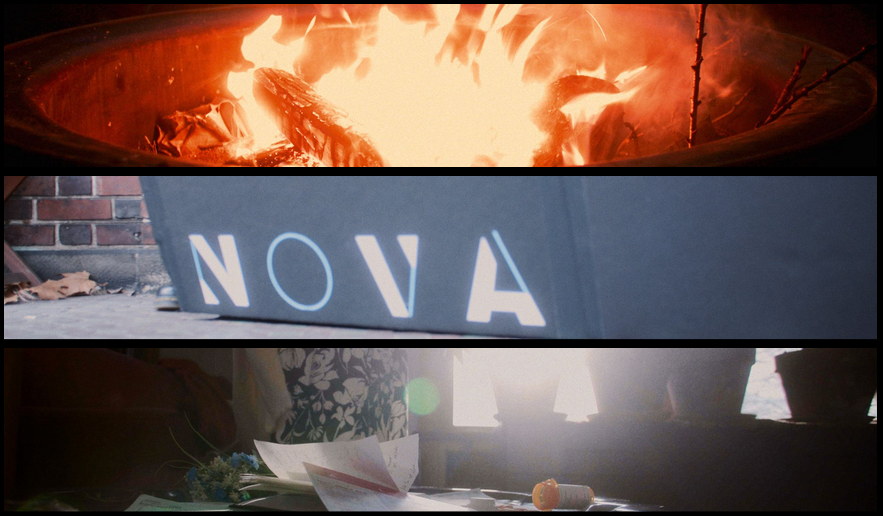
and super detail shots to make guests scan the entire Cavern.
